 Русский
  Английский
eBay items
-
225.00 $
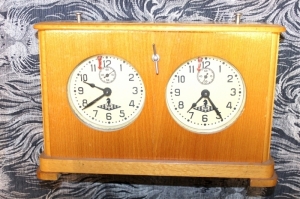
The mechanical chess clock is made of wood with aluminum buttons for switching moves. Two dials, two buttons for switching moves. Without restorations. ART P 5 Condition: Great Size: 18.5x7x18.3 cm
-
230.00 $
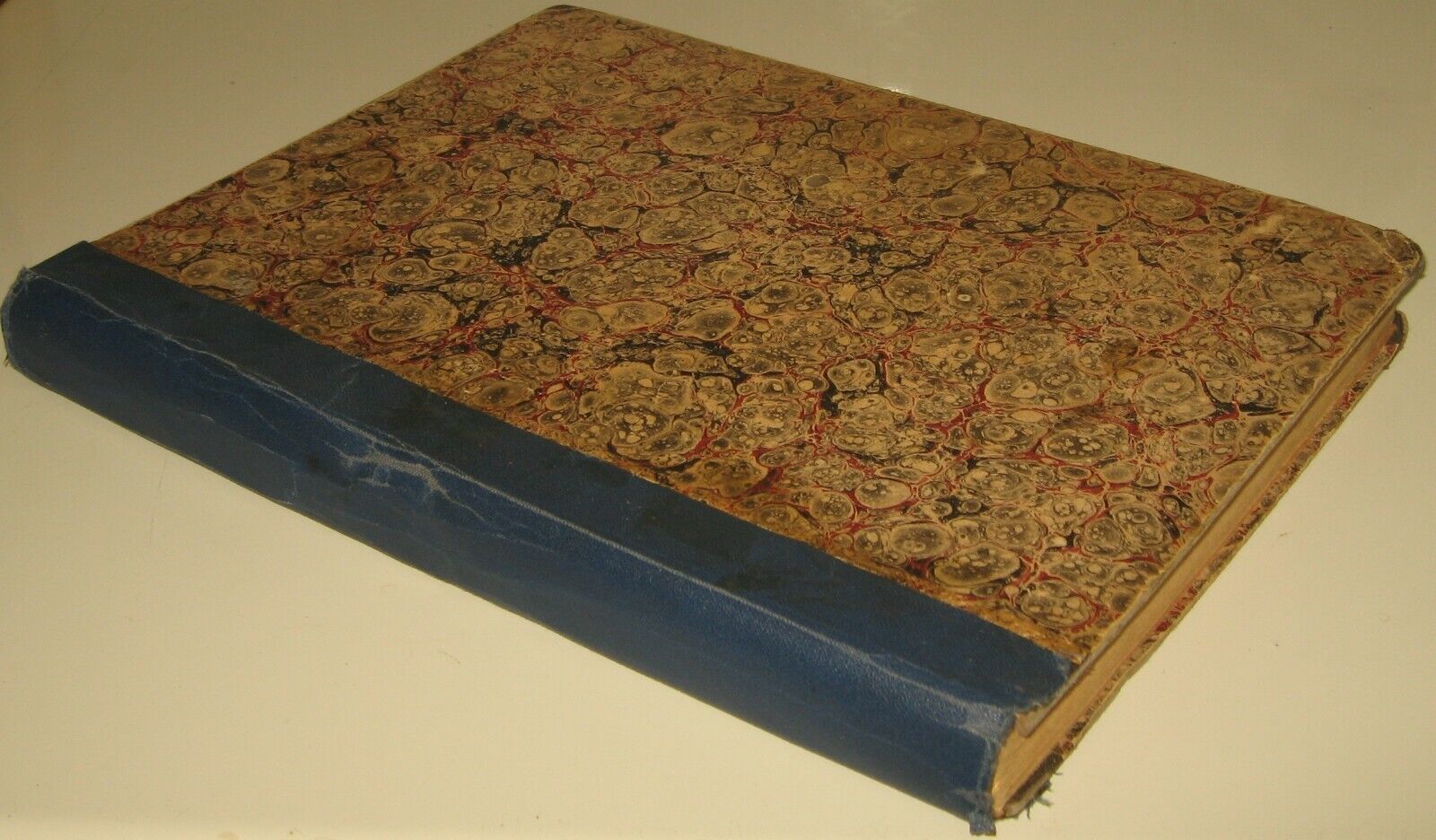
Antique Russian Magazine: Title: "Modern word" week Binding: vintage composite hardcover Language: Russian Author: Proshletsov (editor), Polyakova (publisher) Published: Saint-Petersburg 1910 Condition: very good. A lot of interesting information - for example, one of the issues is completely dedicated to the death of Leo Tolstoy. к710
-
233.33 $
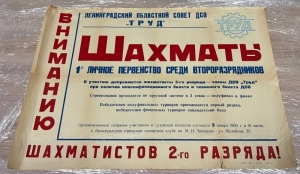
Name: Chess Poster "1st personal championship among second-graders" Description: 1st personal championship among second-graders. 1965 year. Size: 84x60 cm ART P12
-
235.00 $
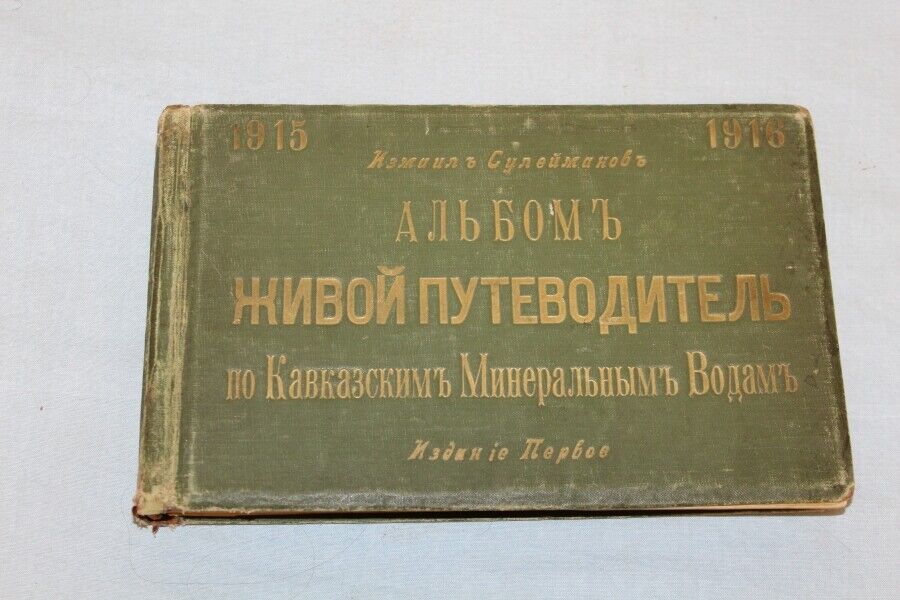
Antique Russian Book: Author: Ismail Suleymanov Title: Live guide to Caucasian Mineral Waters Binding: Hard Published: Kislovodsk 1915 187 pages + 67 illustrations Condition: good, the block is fixed on the flyleaves Album. First edition. Kislovodsk. Printing House Of I. Ya. Belousov. Album with the app: views of all four groups and their surroundings, train schedules of the railway, schedules of the steamers and so on.
-
240.00 $
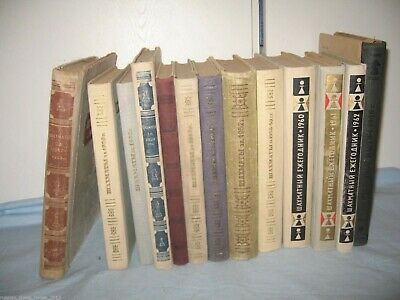
Thats Full set of these booksArt MN
-
240.00 $
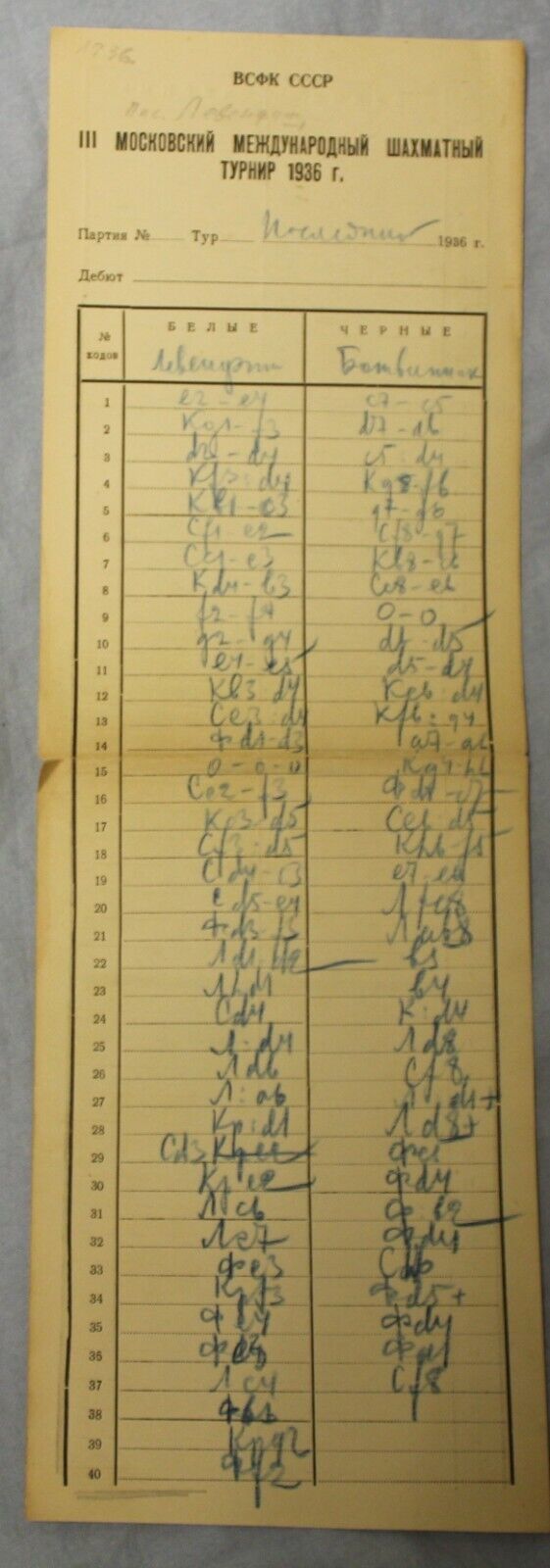
3 Moscow International Chess Tournament of 1936 Levenfish-Botvinnik Scoresheet of LevenfishArt PK3
-
240.00 $
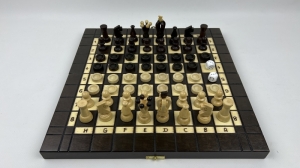
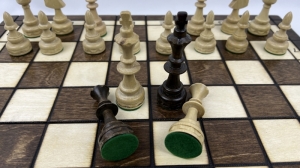
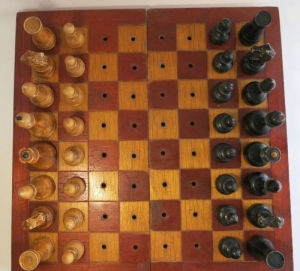
Condition: Good Field Length: 400×400 mm King Height: 95 mm King Diameter: 35 mm Pawn Height: 50 mm Pawn Diameter: 30 mm Art: Ebay shelf C3000
-
245.00 $
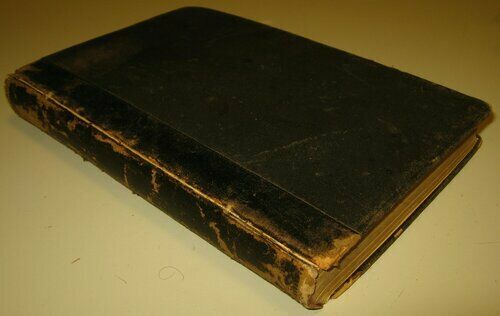
Antique Russian Book: Title: Caucasian calendar for 1900. Language: Russian Binding: Hard Published: Tiflis. 1899. Condition: good Hardcover of the time of publication, Enlarged format. К 588
-
250.00 $
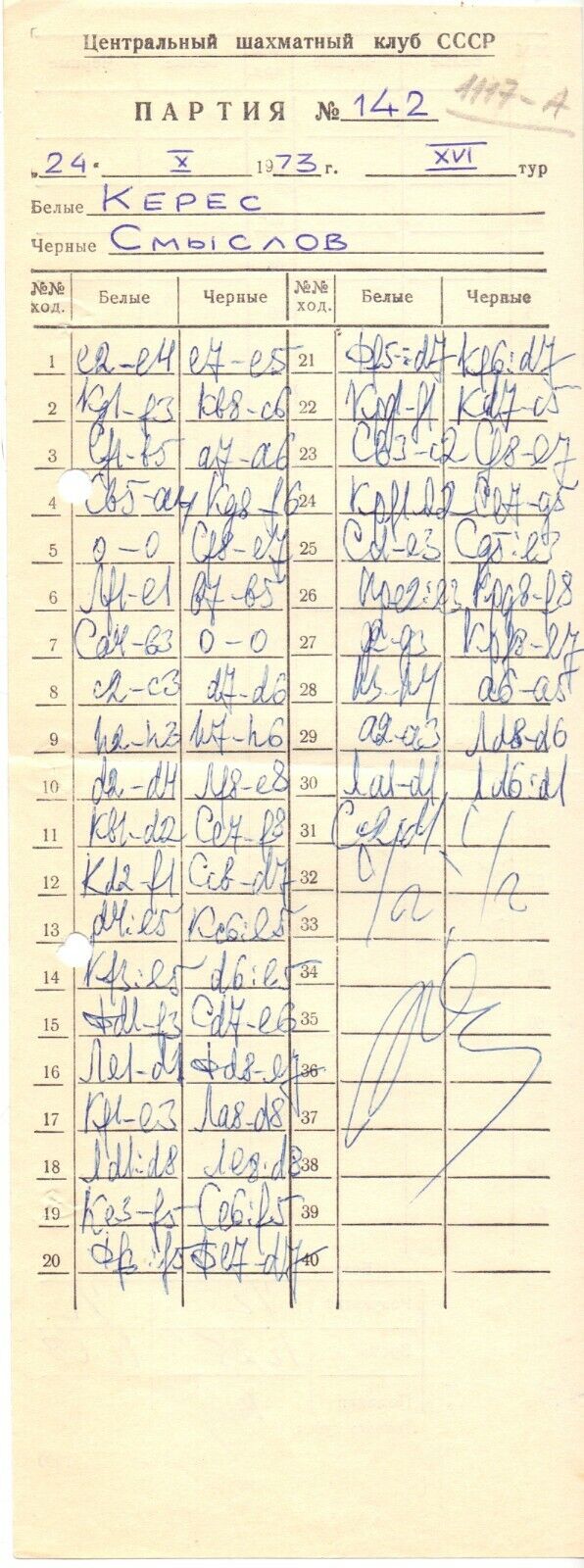
Original Soviet chess score sheet signed by V. Smyslov and P. Keres during 41 USSR chess championship. Score sheet filled by Smyslov. The 41st USSR chess championship was held from 1 to 27 October 1973 in Moscow, at the Central house of culture of railway workers. It is considered one of the strongest tournaments in the history of chess competitions. After Fischer's victory over Spassky, the chess management decided that all leading chess players should compete in the national championship. 4 former world Champions and 1 future champion participated in the championship, as well as several long-term contenders for the title of chess crown holder. Winning the tournament is one of B. Spassky's biggest tournament successes.Арт ПК 2
-
250.00 $
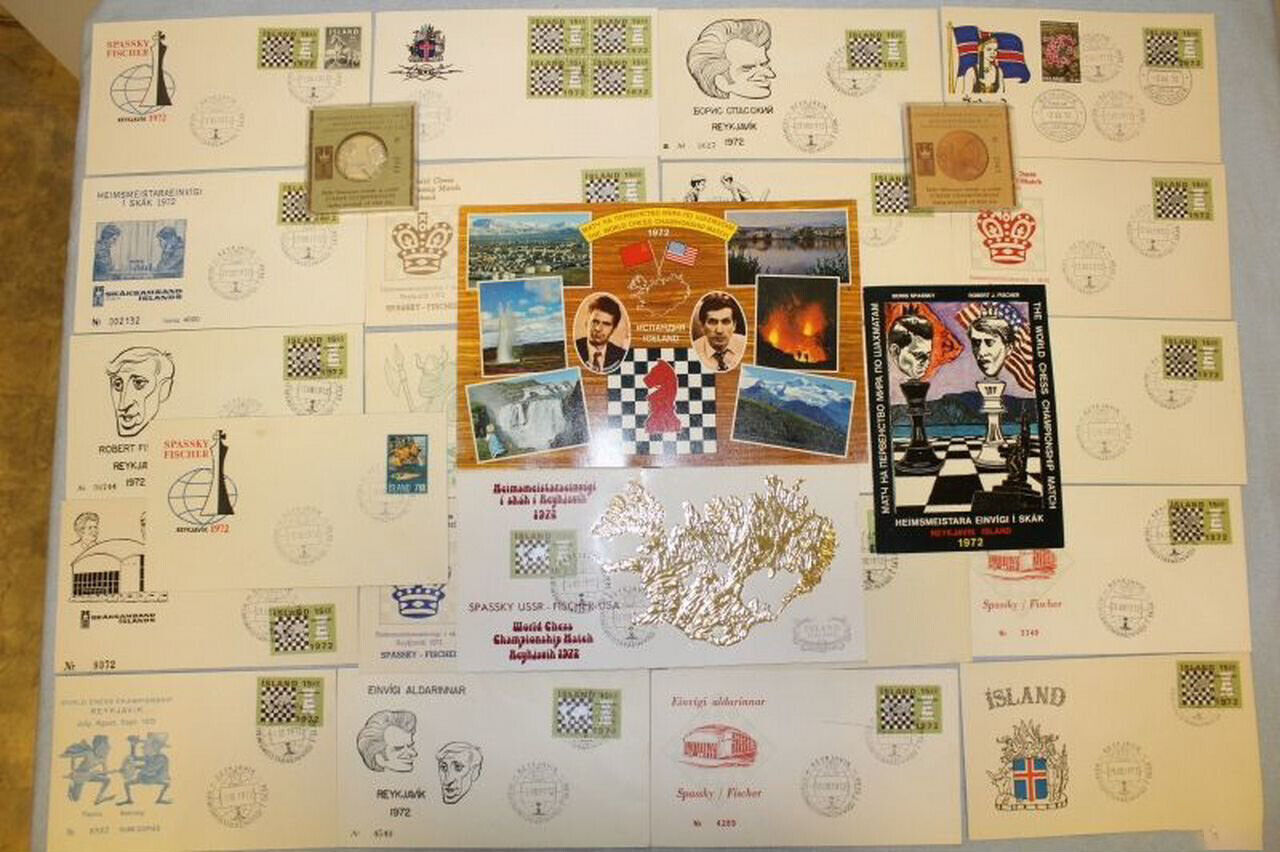
Unique collector's philatelic-numismatic set dedicated to the 1972 Spassky-Fischer World Championship MatchWas received from Iceland 18 envelopes 3 postcards 2 coins The 1972 World Chess Championship match between Boris Spassky and Robert Fischer took place in Reykjavik, the capital of Iceland. The match was accompanied by scandals and psychological warfare between its participants and ended with a score of 12½ : 8½ in favor of Fischer. This match, in which citizens of the USSR and the USA met at the height of the Cold War, was repeatedly called the "match of the century" in the Western press of that time. The prize fund of the match for the first time in the history of chess was $ 250,000.EK36
-
250.00 $
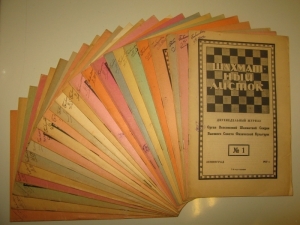
Antique Russian Chess Magazine: Complete set of magazines «Shakhmatny Listok» for the 1927 1-24. Complete set Published: Moscow Leningrad, 1927 Language: Russian EK-40
-
250.00 $
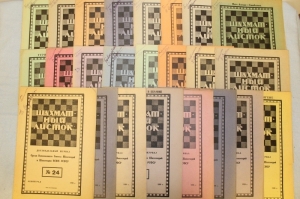
Title: Chess. 1928. Publisher: the Supreme Council of physical culture, Publishing House Krasnaya Gazeta, 1928 Language: Russian Number of issues: 24 issues for a year. Condition: good Chess in the USSR-Soviet chess monthly magazine, printed organ of the USSR Chess Federation. The magazine was founded in 1931 on the basis of the magazine "Chess leaf". As of 1987, it was distributed in 50 countries, with a total circulation of 52,000 copies. In 1995 the magazine was renamed "Chess in Russia". In 1999, the journal ceased to exist. 1921: began publication "chess Piece mug Petrovskomu". The first issue of April 20 (like all the others) really was a piece of paper: two chess games were shown on the front side, two more and a chronicle of chess events were located on the reverse side. The circulation was 200 copies By the end of the year was released 34 of the sheet (print up to 500 copies), and then publication was suspended. August 1922: the edition was renamed into "Chess leaf" and became a magazine, an organ of the Petrograd chess collection (up to 1 thousand copies). In 1923, the magazine participated in the campaign to create the all-Russian chess Union, after which it became a printing body. After the III all-Union chess Congress (1924) the journal was transferred to the all-Union chess section of the Supreme Council of physical culture. 1931: from the 13th issue the magazine was named "Chess in the USSR". The first years were printed in Leningrad, since 1938 - in Moscow. 1941-1945: during the war the magazine did not leave. 1992: after the collapse of the USSR, "Chess in the USSR" United with "Express chess" and renamed "Chess Bulletin". 1995: renamed Chess in Russia. 1999: edition of the magazine. EK-40
-
 The life of a chess player in the system. Memories of the grandmaster
Author:
The life of a chess player in the system. Memories of the grandmaster
Author:
Averbah 45.00 $ -
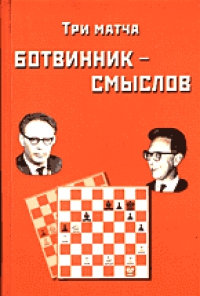 Три матча Ботвинник-Смыслов
Author:
Три матча Ботвинник-Смыслов
Author:
Botvinnik 45.00 $ -
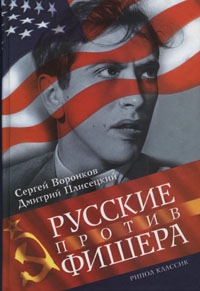 Russians vs Fisher
Author:
Russians vs Fisher
Author:
Voronkov 65.00 $ -
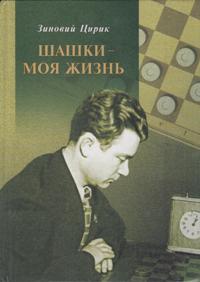 Checkers is my life
Author:
Checkers is my life
Author:
Ciric 87.50 $ -
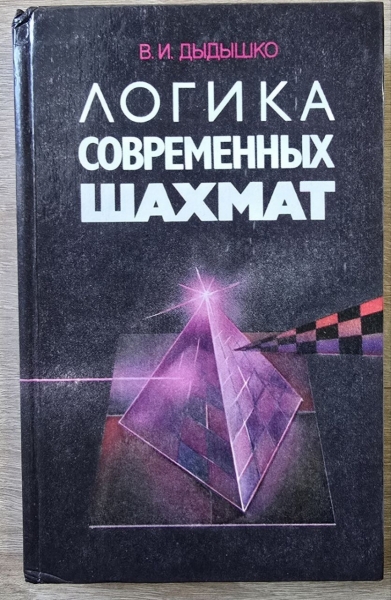 The logic of modern chess
Author:
The logic of modern chess
Author:
Dydyshko 72.50 $ -
 Siegbert Tarrasch. The Queen
Author:
Siegbert Tarrasch. The Queen
Author:
Tarrash 72.50 $ -
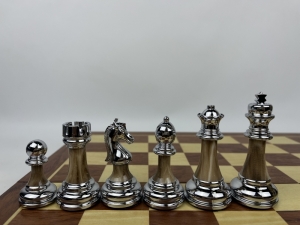 High quality acrylic metal heavy chess pieces with wooden board
202.50 $
High quality acrylic metal heavy chess pieces with wooden board
202.50 $
-
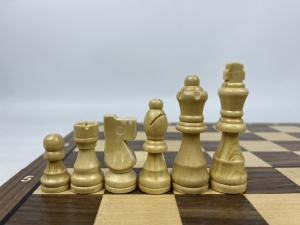 Wooden magnetic Staunton chess with a lock (silver)
56.25 $
Wooden magnetic Staunton chess with a lock (silver)
56.25 $
-
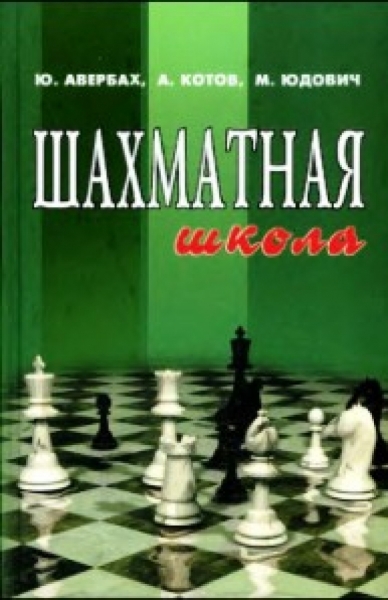 Chess school
Author:
Chess school
Author:
Averbah 15.00 $ -
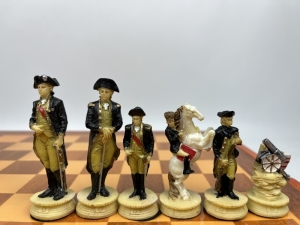 The chess set of The Chessmen. US war - Great Britain
325.00 $
The chess set of The Chessmen. US war - Great Britain
325.00 $