 Русский
  Английский
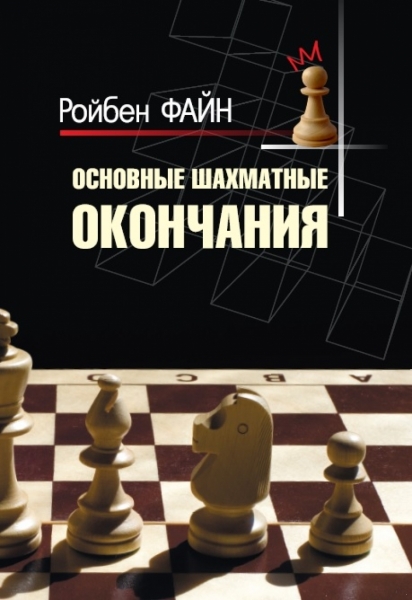
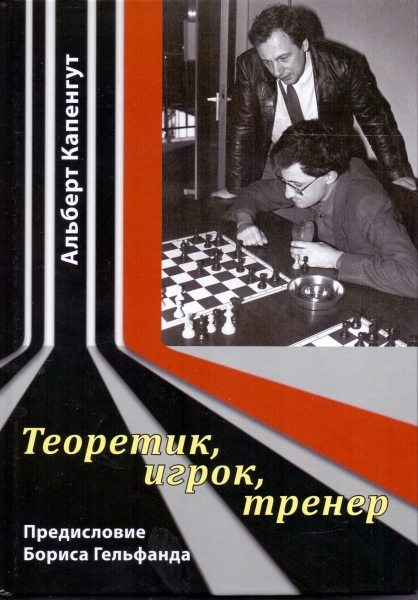
Averbah
Книги автора:
-
20.94 $
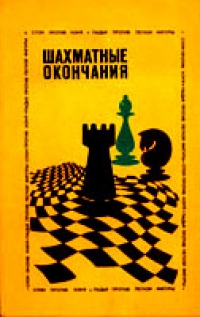
In five volumes. In this capital work, the endings are investigated, where the bishop against the knight or the rook struggles against the light piece. Depending on the number and location of the pawns involved in the fight, the material of the book includes both elementary training positions and complex endings, sketches. This book consists of two parts. The first deals with the endgame bishop against the knight, the second with the rook versus the light piece. The book can be used as a training tool for playing endings, as well as a guide when analyzing deferred games. Designed for highly skilled chess players. -
18.66 $
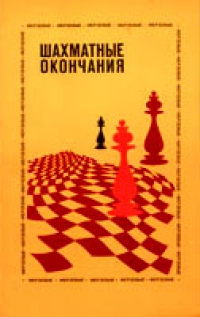
In five volumes. In this capital work, various kinds of queen endings are explored. Depending on the number and location of the pawns participating in the struggle, the material of the book includes both the simplest educational positions and complex endings, studies. The book can be used as a training tool for playing endings, as well as a reference when analyzing pending games and playing games by correspondence. The book offered to the reader is the third in the series “Chess Ends”. In general, this study covers the following types of endings: pawn, knight, elephant, bishop versus knight, rook versus easy piece, rook, queens, queen versus rook, queen versus easy piece. The book is intended for qualified chess players from the second category and higher. Reduced specimens are available - slightly soaked with water. Price - 150 r. -
15.89 $
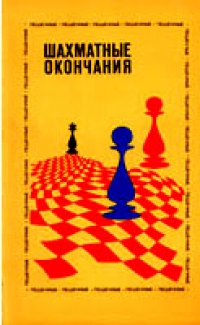
In five volumes. This major work explores various types of pawn endings. Depending on the number and location of the pawns participating in the struggle, the material of the book includes both the simplest educational positions and complex endings, studies. The book offered to the reader is the fourth in the series “Chess Ends”. In general, this basic study covers all the main types of endgame: pawn, knight, elephant, bishop versus knight, rook versus light pieces, rook and queens. The book can be used as a training tool for playing endings, as well as a reference when analyzing pending games and playing games by correspondence. In general, the book is intended for qualified chess players from the second category and higher. -
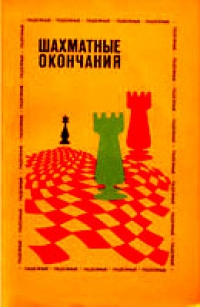
37.24 $
In five volumes. In this capital work, which includes over 800 positions, various types of rook endings are studied. Depending on the number and location of the pawns participating in the struggle, the material of the book includes both the simplest educational positions and complex endings, studies. In the series “Chess Ends” this book is the fifth. In general, this basic study covers all the main types of endgame: pawn, knight, elephant, bishop versus knight, rook versus light pieces, rook and queens. The book can be used as a training tool for playing endings, as well as a reference when analyzing pending games and playing games by correspondence. In general, the book is intended for qualified chess players from the second category and higher.
-
20.04 $
A few years ago, Soviet theorists were given the task of creating a monograph for our skilled chess players on the final stage of the chess game - the endgame. This publication presents the latest achievements of practice and gives theoretical calculations on all the main types of chess endings. This paper presents endings with a horse against an elephant, as well as rook ones. -
20.04 $
Under the general editorship of Grandmaster J. Averbach. A few years ago, Soviet theorists were tasked with creating a monograph for our qualified chess players on the final stage of a chess game, the endgame. This publication presents the latest achievements of the practice and gives theoretical calculations on all major types of chess endings. This book covers three types of endings: pawns, ivory and knight endings. The book begins with a short essay "The Matting of the Lonely King." -
23.03 $
In this capital work, various types of queen endings are explored. Depending on the number and location of the pawns involved in the fight, the material of the book includes both elementary training positions and complex endings, sketches. The book can be used as a training tool for playing endings, as well as a guide when analyzing pending games and playing by correspondence. In general, the book is intended for qualified chess players from the second category and above. -
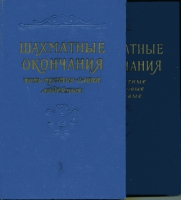 1) Volume 1. "Pawn, ivory, horse": Under the general editorship of Grandmaster J. Averbach. The Soviet theorists were tasked to create a monograph for our qualified chess players on the final stage of the game of chess - the endgame. This publication presents the latest achievements of the practice and gives theoretical calculations on all major types of chess endings. This book covers three types of endings: pawns, ivory and knight endings. The book begins with a short essay "The Matting of the Lonely King." 2) Volume 2. Horse against an elephant, rooks: This paper presents endings with a knight against an elephant, as well as rooks. 3) Queen, a rook against a light piece. In this capital work, various types of queen endings are explored. Depending on the number and location of the pawns involved in the fight, the material of the book includes both elementary training positions and complex endings, sketches. The book can be used as a training tool for playing endings, as well as a guide when analyzing pending games and playing by correspondence. In general, the book is intended for qualified chess players from the second category and above. The price is for 3 volumes.
 -
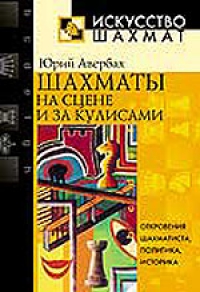
23.75 $
Before you is the “book of life” of an outstanding grandmaster, a participant in the tournament of applicants for the world championship, the champion of the USSR. Collected in the first part of the 64 party with detailed author comments have considerable educational value. Averbach is not only a well-known debut theorist, but also an acknowledged master of the game in technical positions and the world's best expert in the endgame: he is the author of the classic work “Chess Endings”, translated into many languages. The second part of the book consists of memories, unique in their own way. In Soviet times, only the initiates knew the background of many of the most important decisions in chess. Perhaps the most informed of them was Yuri Averbakh, who for more than three decades was a member of the elite of the Soviet and international chess federations. In addition, over the years, he helped Botvinnik, Smyslov, Petrosyan, and Tahl. Revelations of such a person are truly priceless!
-
 The life of a chess player in the system. Memories of the grandmaster
Author:
The life of a chess player in the system. Memories of the grandmaster
Author:
Averbah 45.00 $ -
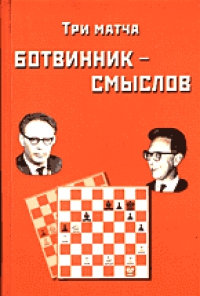 Три матча Ботвинник-Смыслов
Author:
Три матча Ботвинник-Смыслов
Author:
Botvinnik 45.00 $ -
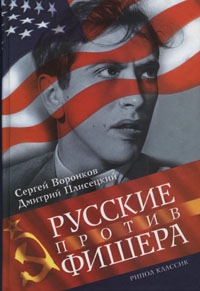 Russians vs Fisher
Author:
Russians vs Fisher
Author:
Voronkov 65.00 $ -
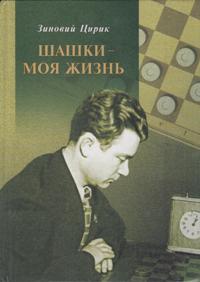 Checkers is my life
Author:
Checkers is my life
Author:
Ciric 87.50 $ -
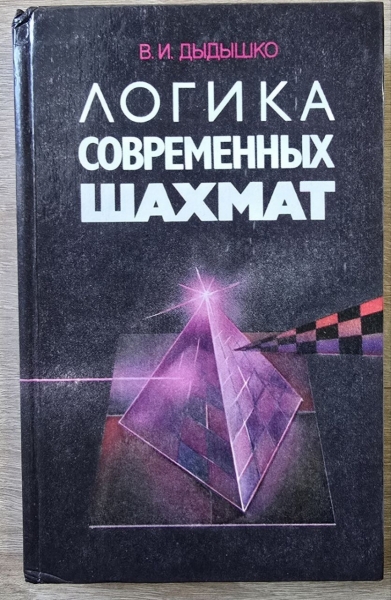 The logic of modern chess
Author:
The logic of modern chess
Author:
Dydyshko 72.50 $ -
 Siegbert Tarrasch. The Queen
Author:
Siegbert Tarrasch. The Queen
Author:
Tarrash 72.50 $ -
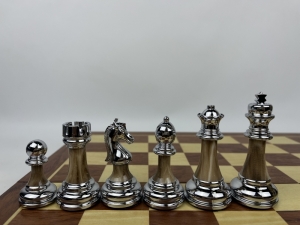 High quality acrylic metal heavy chess pieces with wooden board
202.50 $
High quality acrylic metal heavy chess pieces with wooden board
202.50 $
-
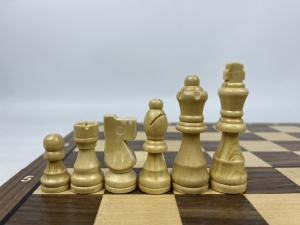 Wooden magnetic Staunton chess with a lock (silver)
56.25 $
Wooden magnetic Staunton chess with a lock (silver)
56.25 $
-
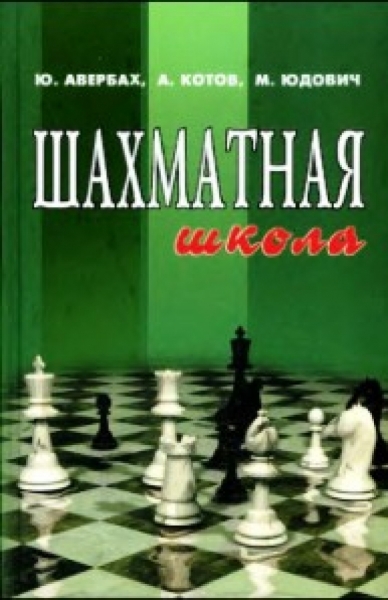 Chess school
Author:
Chess school
Author:
Averbah 15.00 $ -
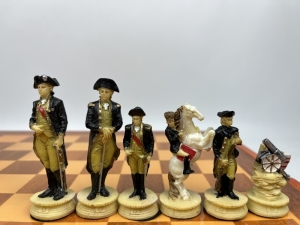 The chess set of The Chessmen. US war - Great Britain
325.00 $
The chess set of The Chessmen. US war - Great Britain
325.00 $