 Русский
  Английский


Modern chess periodicals
-

51.82 $
NIC Forum Readers from all over the world join in discussions of previous surveys. Both (grand) masters and club players shed their light on new discovery and search together for the truth. With contributions by Boris Gelfand, Erwin l & amp; Ami, Geert van der Stricht, Edward Dearing, giving a passionate answer to Sergey Tiviakov & s negative comments on his Dragon book, and many others. Sosonko & Corner This time, Genna Sosonko has a look at 2.Qh5 and other early queen sorties in the opening. Hikaru Nakamura & s hallmark recently. Before, the young US Champion only played this in hundreds of Internet games, albeit against the best. Is this the beginning of a new trend ?, Sosonko wonders. As always, Viktor Kortchnoi gives a clear answer. Book Review Glenn Flear muses on the new phenomenon: the Chess DVD. Despite some reservations, he has to admit that Garry Kasparov (called "Mr. Kasparov", to Flear & s surprise) does win him in the beginning! An ambitious repertoire book for Black by joint authors Alburt, Dzindzichashvili, Perelshteyn and Lawrence is surprisingly comprehensive, logical and cleverly laid out. Tiger Hillarp Persson has published one more "repertoire" book, his is a very sharp one on his pet Modern Defense. A book written with the heart, as is Edward Dearing & s second baby: Challenging the Grunfeld. Reading this book, Flear immediately lost himself calculating all the topical lines ... 33 NIC Surveys Yearbook 76 Sicilian Defense: Dragon Variation, by Williams Sicilian Defense: English Attack, by Olthof Sicilian Defense: English Attack, by Greenfeld Sicilian Defense: Sveshnikov Variation, by Rodriguez / Olthof Sicilian Defense: Taimanov Variation, by Fogarasi Sicilian Defense: Alapin Variation, by Tiviakov French Defense: Advance Variation, by Sveshnikov French Defense: Advance Variation, by Gavrilov Scandinavian Defense: Gubnitsky / Pytel Variation, by Tzermiadianos Alekhine & s Defense: Larsen Variation, by Scherbakov Petroff Defense: Nimzowitsch Variation, by Skatchkov Petroff Defense: Jaenisch Variation, by Rytshagov Ruy Lopez: Closed Line with 9.d4, by Olthof Ruy Lopez: Chigorin Variation, by Galkin Ruy Lopez: Open Variation, by Flear Ruy Lopez: Dilworth Variation, by Van der Tak Scotch Opening: Miles Variation, by Afek King & amp; Pawn Opening: Elephant Gambit 2 ... d5, by Pliester King & s Pawn Opening: Two Knights Defense, by De Zeeuw Various Openings: Chigorin Defense 3 ... e5, by Karolyi Slav Defense: Alapin Variation, by Van der Stricht Slav Defense: Botvinnik Variation 9.ef6, by Lukacs / Hazai Queen & amp; Gambit Accepted: Classical Variation, by Rogozenko Catalan Opening: Open Variation, by Marin Nimzo-Indian Defense: Queen-Nimzo Hybrid, by Scherbakov Queen & s Indian Defense: Nimzowitsch Variation, by Lukacs / Hazai Grünfeld Indian Defense: Stockholm Variation, by l & amp; Ami King & s Indian Defense: Classical Variation, by Matamoros King & s Indian Defense: Fianchetto Variation, by Langeweg Benoni Defense: Modern Variation, by Greenfeld Queen & amp; Pawn Opening: Trompowsky Attack, by Anka Dutch Defense: Classical Variation, by Karolyi Rйti Opening: King & amp; Indian Attack, by Matamoros
-

51.82 $
Forum Readers from all over the world join in discussions of previous surveys. Both (grand) masters and club players shed their light on new discovery and search together for the truth. With contributions by Ian Rogers, Dorian Rogozenko, Tibor Karolyi, Geert van der Stricht and many others. Sosonko's Corner In this column, Genna Sosonko takes a look at yet another provocative theme in the opening: the 'delayed' advance of a pawn. In more lines than you would expect, this loss of a tempo that we could call the 'Arabic' method can be surprisingly effective, although the author admits that it would have left the Stars of the Past utterly amazed! '. Except Philidor, of course, who is already taught that 'excellent pawn play is a key characteristic of true craftsmanship'. However it may be, he who uses the "step by step" method. Book Review Non-theory openings are rapidly becoming theory. Glenn Flear investigates James Plaskett's The Queen's Bishop Attack Revealed and Richard Palliser's Tango !. He read the QBA, despite some deficiencies, with a smile on his face and found Tango! to be "fairly objectively analysed" and so these books may serve to popularize these still relatively unknown openings. Next, Flear compares Palliser's The Modern Benoni with Endre Vegh's Starting Out: Modern Benoni. He found quite a few differences. Our ever candid author author Sergey Tiviakov is exceptionally enthusiastic about 'What do you need? 32 NIC Surveys Yearbook 77 Sicilian Defense: Najdorf Variation 7 ... Nbd7, by Olthof Sicilian Defense: Najdorf Variation 6.Be3, by Hoeksema Sicilian Defense: Dragon Variation 9.Bc4, by Anka Sicilian Defense: Scheveningen Variation 6.Be2, by Fogarasi Sicilian Defense: Rauzer Variation 10.e5, by Van der Wiel Sicilian Defense: Rossolimo Variation 4 ... Qc7, by Greenfeld French Defense: Advance Variation 3.e5, by Sveshnikov Caro-Kann Defense: Panov Variation 5 ... Nc6, by Smeets Caro-Kann Defense: Advance Variation 4.h4, by Anka Scandinavian Defense: Main Line 5 ... Bf5, by Priй Petroff Defense: Nimzowitsch Variation 5.Nc3, by A.Kuzmin Ruy Lopez: Exchange Variation 5 ... Bg4, by Van der Tak Ruy Lopez: Neo-Steinitz Variation 6 ... Nge7, by Karolyi Ruy Lopez: Open Variation 9.Nbd2, by Grivas King's Pawn Opening: Elephant Gambit 2 ... d5, by Pliester Two Knights Defense: Fritz Variation 5 ... Nd4, by Van der Tak Queen's Gambit: Declined Exchange Variation 4.cd5, by Bosch Slav Defense: Meran Variation 7.g4, by Lukacs / Hazai Tarrasch Defense: Rubinstein Variation 6.g3, by Vilela Queen's Gambit Accepted: Classical Variation 7.a4, by Yusupov Nimzo-Indian Defense: Kmoch Variation 4.f3, by Cebalo Nimzo-Indian Defense: Romanishin Variation 4.Nf3, by Langeweg Bogo-Indian Defense: 4.Nbd2, by Boersma Queen's Indian Defense: Nimzowitsch Variation 4..Ba6, by Dautov Grünfeld Indian Defense: Exchange Variation 7.Nf3, by Avrukh Grünfeld Indian Defense: Exchange Variation 7.Nf3, by V.Mikhalevski Grünfeld Indian Defense: Exchange Variation 7.Bc4, by Olthof King's Indian Defense: Bayonet Attack 9.b4, by Tzermiadianos / Kotronias King's Indian Defense: 5.Bd3, by Geo.Timoshenko Benoni Defense: Volga Gambit 3 ... b5, by Fogarasi Old Indian Defense: Delayed Benoni 7 ... e6, by Dautov Queen's Pawn Opening: Trompowsky Attack 2.Bg5, by Fogarasi
-

51.82 $
Annual kit Ch. ed. Petrosyan 53 issues For a set in hardcover for 400 rubles. more expensive
-
51.82 $
Annual set 52 issues For a set in hardcover for 400 rubles. more expensive
-
-
49.40 $
Annual kit. 12 rooms. Head ed. Yu. Averbakh If available in hardcover, additional payment is 400 r. per set
-
49.00 $
FIDE albums summed up for the corresponding period, publishing the best works (very strict selection); by the number of compositions published in them, international titles are awarded.
-
49.00 $
FIDE albums summed up for the corresponding period, publishing the best works (very strict selection); by the number of compositions published in them international titles are appropriated.
-
48.37 $
annual set of 12 issues Ch. ed. Averbakh Hardcover set for 400 rubles. more expensive
-
48.37 $
annual set of 12 issues Ch. ed. Averbakh Hardcover set for 400 rubles. more expensive
-
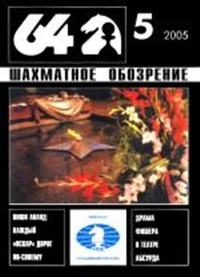
48.37 $
annual set of 12 issues For a set in hardcover for 400 rubles. more expensive

-
The life of a chess player in the system. Memories of the grandmaster
Author:
Averbah 45.00 $ -
 Три матча Ботвинник-Смыслов
Author:
Три матча Ботвинник-Смыслов
Author:
Botvinnik 45.00 $ -
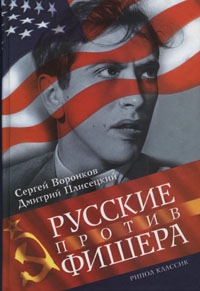 Russians vs Fisher
Author:
Russians vs Fisher
Author:
Voronkov 65.00 $ -
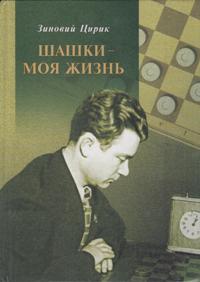 Checkers is my life
Author:
Checkers is my life
Author:
Ciric 87.50 $ -
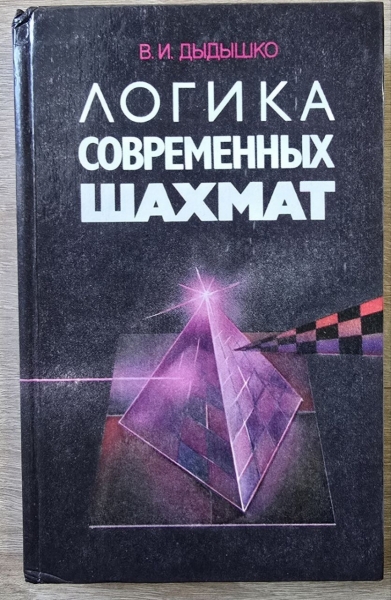 The logic of modern chess
Author:
The logic of modern chess
Author:
Dydyshko 72.50 $ -
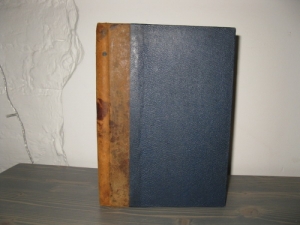 Siegbert Tarrasch. The Queen
Author:
Siegbert Tarrasch. The Queen
Author:
Tarrash 72.50 $ -
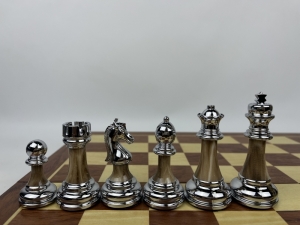 High quality acrylic metal heavy chess pieces with wooden board
202.50 $
High quality acrylic metal heavy chess pieces with wooden board
202.50 $
-
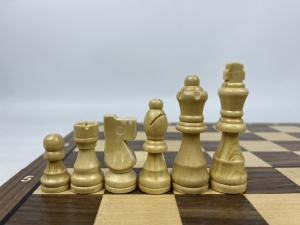 Wooden magnetic Staunton chess with a lock (silver)
56.25 $
Wooden magnetic Staunton chess with a lock (silver)
56.25 $
-
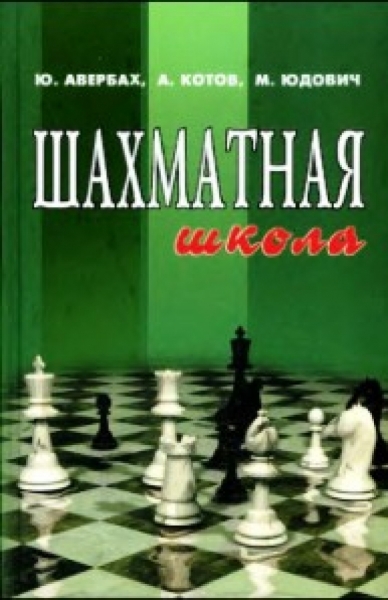 Chess school
Author:
Chess school
Author:
Averbah 15.00 $ -
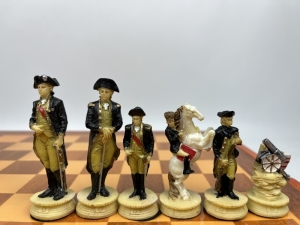 The chess set of The Chessmen. US war - Great Britain
325.00 $
The chess set of The Chessmen. US war - Great Britain
325.00 $