menu
top sales
  • Author:
    Ezhov

    Grandmaster Carlos Torre – like a chess comet; his genius flashed dazzlingly and quickly went out in the chess firmament! He – the author of the most famous “mill” in the history of chess, the 2nd world champion Emanuel Lasker fell into its merciless millstones. The authors spoke about the life and work of the Mexican genius (the book contains 25 commentated games by K. Torre). Torre’s book “How a Chess Player is Formed” is presented, an essay by international master Yaroslav Prizant about Torre’s attack in modern practice. In the section "Play like Torre" – 36 instructive examples from his practice to solve. Finally, there is an interview with Carlos Torre, conducted by Gabriel Velasco in 1977. Working with the book will give readers not only aesthetic pleasure, but will also help improve their skills.

    18.33 $
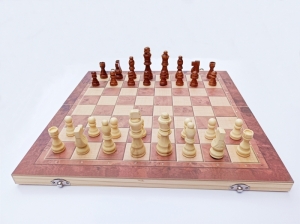
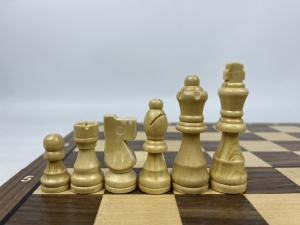
  • The size of the board when folded is 35x17.5 cm. The size of the board when unfolded is 35x35 cm. Cage size is 3x3 cm  King height 6.6 cm. Base diameter 2.2 cm. Pawn height 3.1 cm. Base diameter 2 cm. Backgammon - checker 2.1 cm. Weight 830 g. Includes backgammon chips and dice Chess board and backgammon chips can be used to play checkers Manufacturer Poland

    148.00 $
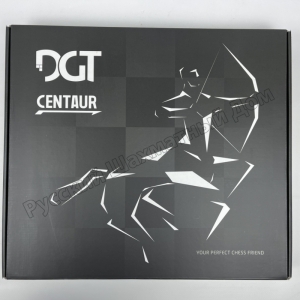
  • Made in Holland. Chess computer "Centaur" easy to use. You can easily install any language. Using the touch panel  40x40 cm (cell size 48 x 48 mm) you can easily move the figures. The sensors will record strokes. The board has a capacious rechargeable internal battery. The uniqueness of the computer is that it quickly adapts to  your playing strength (from beginner to grandmaster) so that you have the right opponent. Centaur will help you analyze the game so as not to make the same mistakes and improve your chess skill. Please note, computer is not compatible to connect to your PC or online chess. The set includes USB cable and DGT electronic chess pieces . Height of the king is 86mm.  

    1553.60 $
  • Author:
    Kalinichenko

    This new book by the many-times world champion Anatoly Karpov and the author of more than fifty books, grandmaster Nikolay Kalinichenko, is devoted to one of the most complicated and strategically deep openings & mdash; the Queen's Gambit Declined. Using games played by the strongest grandmasters, it describes the interesting ideas which have appeared in the main development systems of this opening. Along with games from recent years, the book presents the most important encounters from the chess heritage. And of course, it includes games by Anatoly Karpov himself & mdash; a great expert on the Queen's Gambit, who generously shares with the reading his unique understanding of the concepts involved. The book is aimed at strong players, but it will also be of interest to a wide range of chess enthusiasts.

    36.00 $
  • Author:
    Bologan

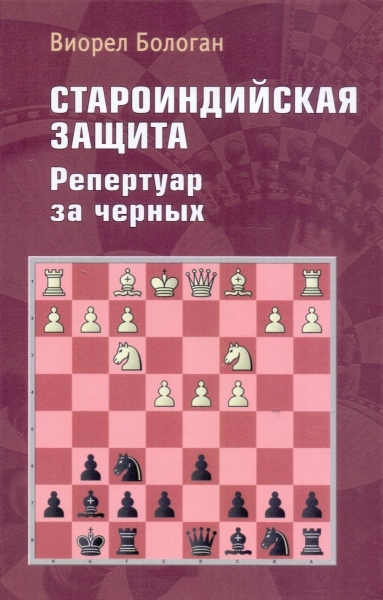
    The 2nd edition, revised and supplemented, of the popular monograph, which is dedicated to one of the most combat modern debuts – the Old Indian defense. The author meticulously builds the entire defensive line of black (including on the territory of "adjacent" openings, such as the English beginning or the London system), explains standard plans and tactical techniques, offers a number of novelties in current schemes. Carefully selected positions for the solution will help the reader to consolidate the acquired knowledge. The book is addressed to chess players of any level, since the laws of Old Indian are the same for both amateurs and super grandmasters.

    21.67 $
  • Author:
    Fine

    In the vast ocean of chess literature there are relatively few books about the endgame, and only a few of them can be considered true chess classics. And the most outstanding among the classics — Reuben Fine's book "Basic Chess Endings". Reuben Fine (1914−1993) was for a long time one of the best chess players in the world. As an author, Fine showed himself to be an excellent analyst who understood the full depth and peculiarities of the endgame. Having studied various types of standard positions, Fine established useful rules for practical play and proved himself to be an experienced teacher who, using skillfully chosen examples, was able to teach the reader all the necessary lessons and introduce him to the basic ideas of the endgame. Many generations of chess players in different countries of the world keep copies of “Basic Chess Endings”. For example, Mikhail Botvinnik considered Fine's work the most worthy of all that had ever been written on endgame theory.

    35.00 $
  • Author:
    Bezgodov

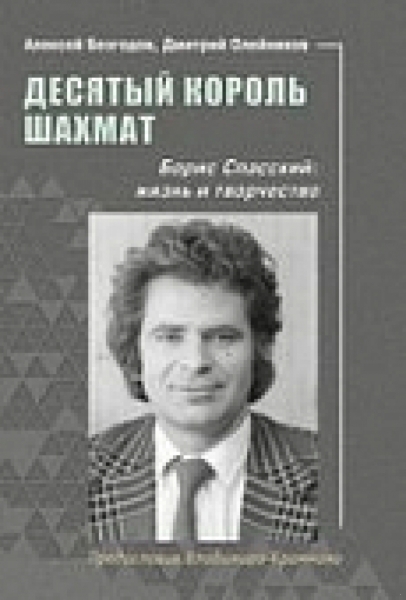
    The youngest first–grader in the USSR, the world champion among young men, a participant in the candidates tournament at the age of 19 - Boris Spassky's rise was rapid. And then fate gave the brilliant chess player a test of strength: he stumbled twice at the decisive moment and remained beyond the threshold of interzonal tournaments ... Only ten years after his first great success, Spassky managed to pass all the qualifying tests and earn the right to a match for the crown, but he failed to defeat the Iron Tigran Petrosian the first time. It took three more years of super–efforts: by Sisyphus he rose again to the foot of Olympus and did not miss a second chance - in 1969 he became the Tenth king of chess! An essay about the life of Boris Vasilyevich and his sporting path full of ups and downs was written by Dmitry Oleynikov, Candidate of Historical Sciences, curator of the Chess Museum of the Chess Federation of Russia. 70 beautiful and instructive games of Spassky were commented on by the champion of Russia in 1993, the famous author and theorist grandmaster Alexey Bezgodov, as well as grandmaster Dmitry Kryakvin and FIDE master Steve Giddins. The preface was written by the 14th world champion Vladimir Kramnik. For a wide range of chess fans.

    21.67 $
  • Author:
    Kasparov

    41.67 $
  • Author:
    Galkin

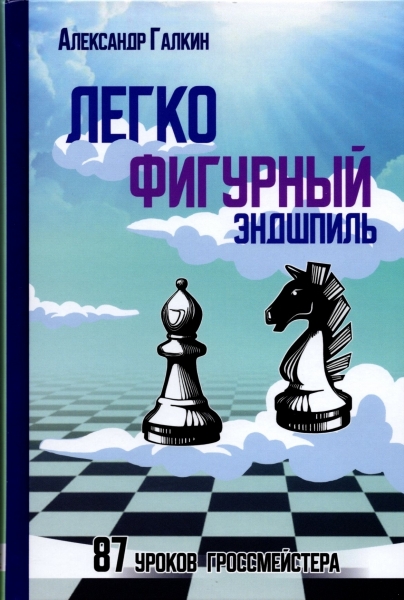
    The book by grandmaster and experienced coach Alexander Galkin is  the final link in a series of publications by the author, directed  to study the classical endgame using examples of modern games   grandmasters. This time the subject of the study – light piece endgames. Clarification of the methodology for working on this stage of the game, as well as the main features and methods of playing such endings. Examples  taken from the practice of modern grandmasters and dated back to 2020-2023. The author offers the reader the most recent and unique information. The material is structured in such a way that the reader can get the maximum  benefit from studying the examples offered by the author  queen endings and its  other derivatives. The book is aimed at advanced chess players, is useful for coaches and can be recommended to a wide range of chess fans

    18.33 $
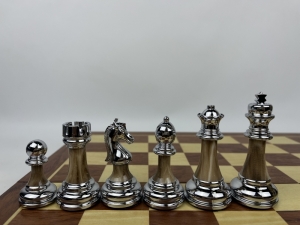
  • The height of the king is 95 mm, the diameter of the base of the king is 42 mm. Currently used in tournaments of the Central House of Chess Players. The kit is sold without a board.

    47.50 $
  • more

eBay items

  • book

    30.00 $

    RUB

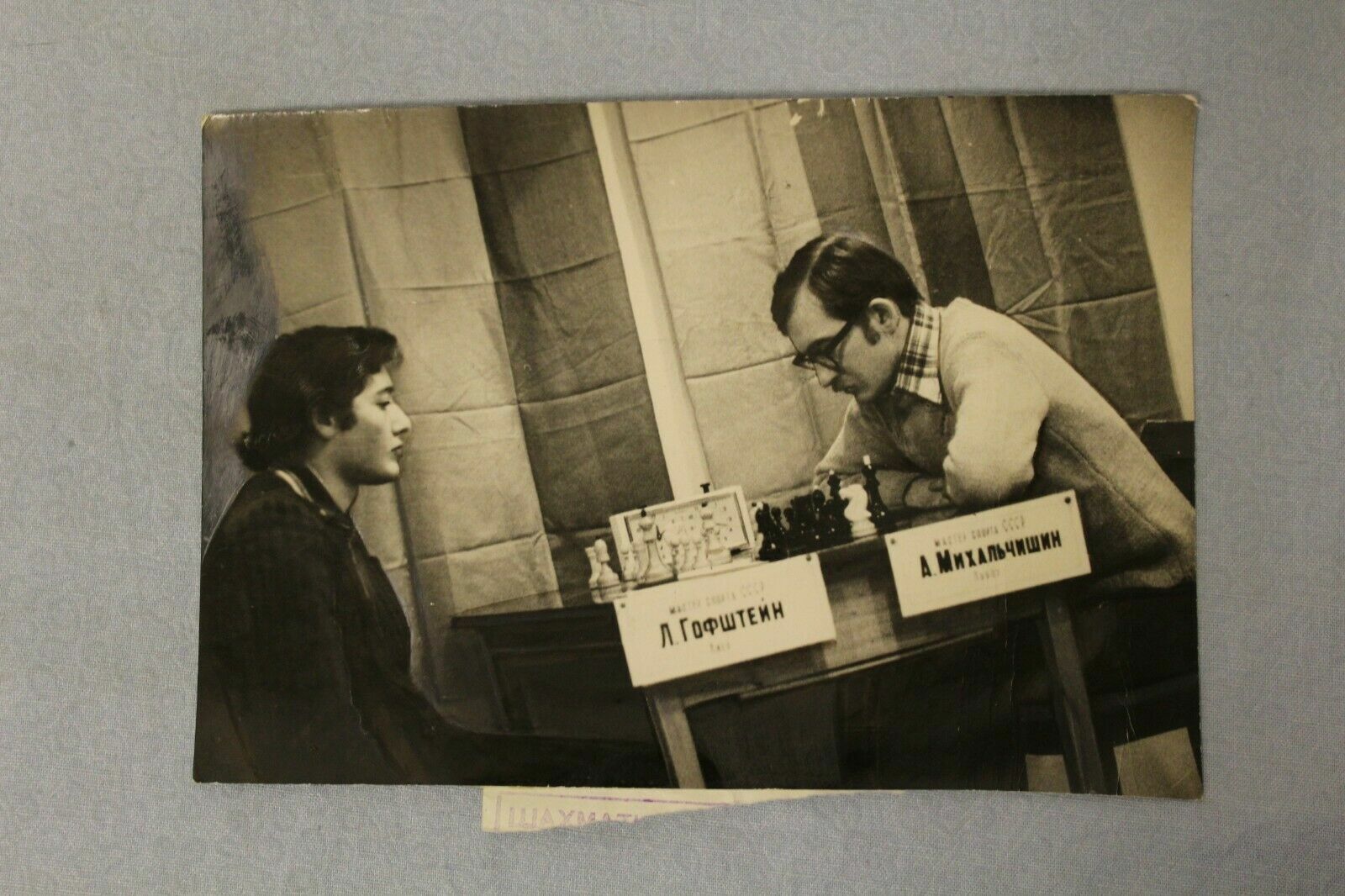
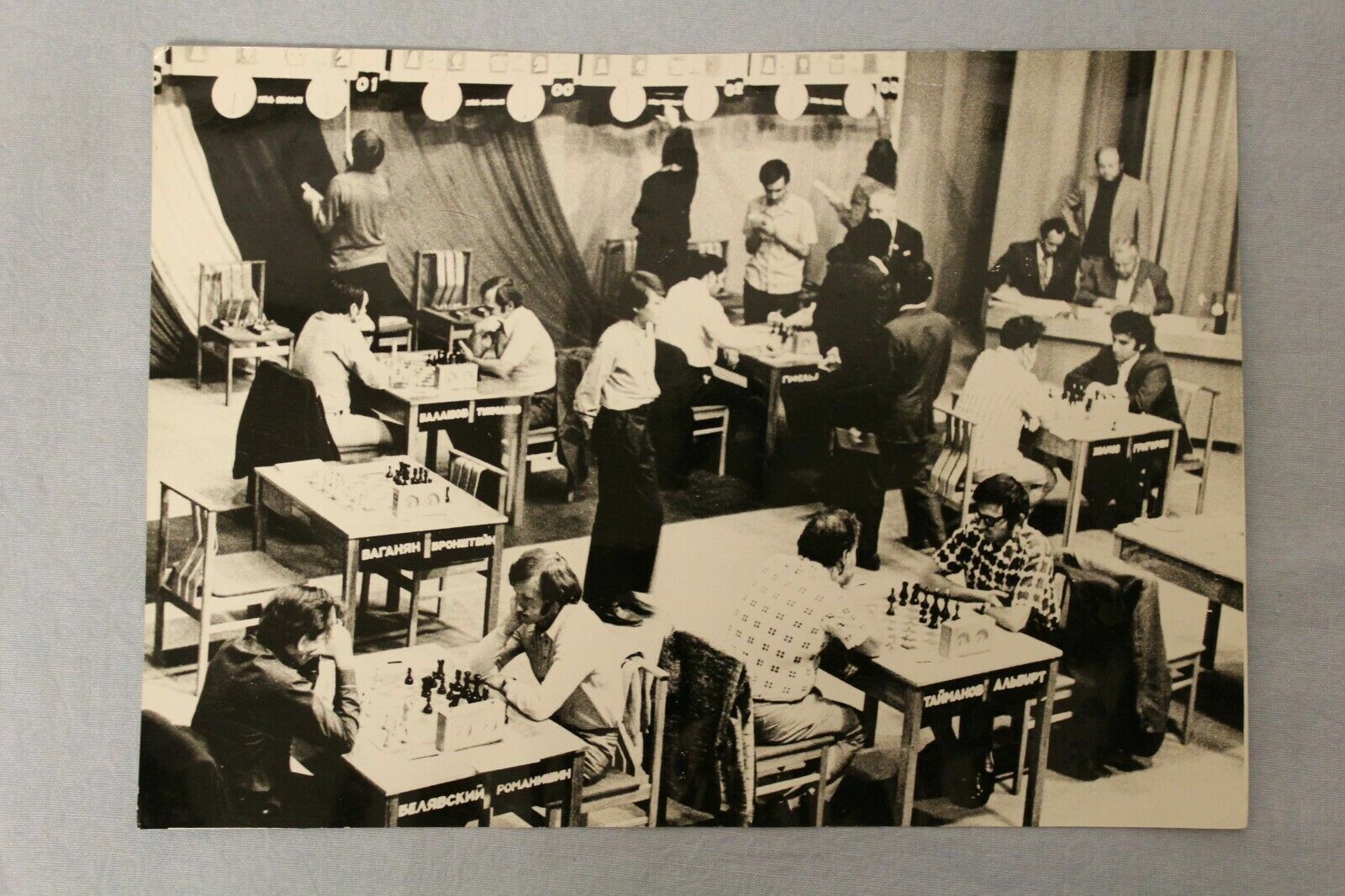
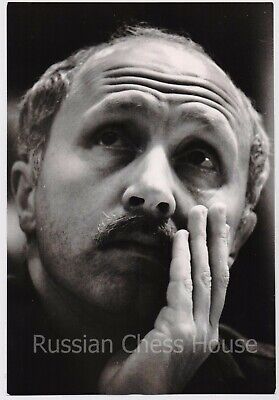
    This photo is from the archive of “Chess in the USSR’ journal Size: 18x12.5 cmart pk5

  • book

    30.00 $

    RUB

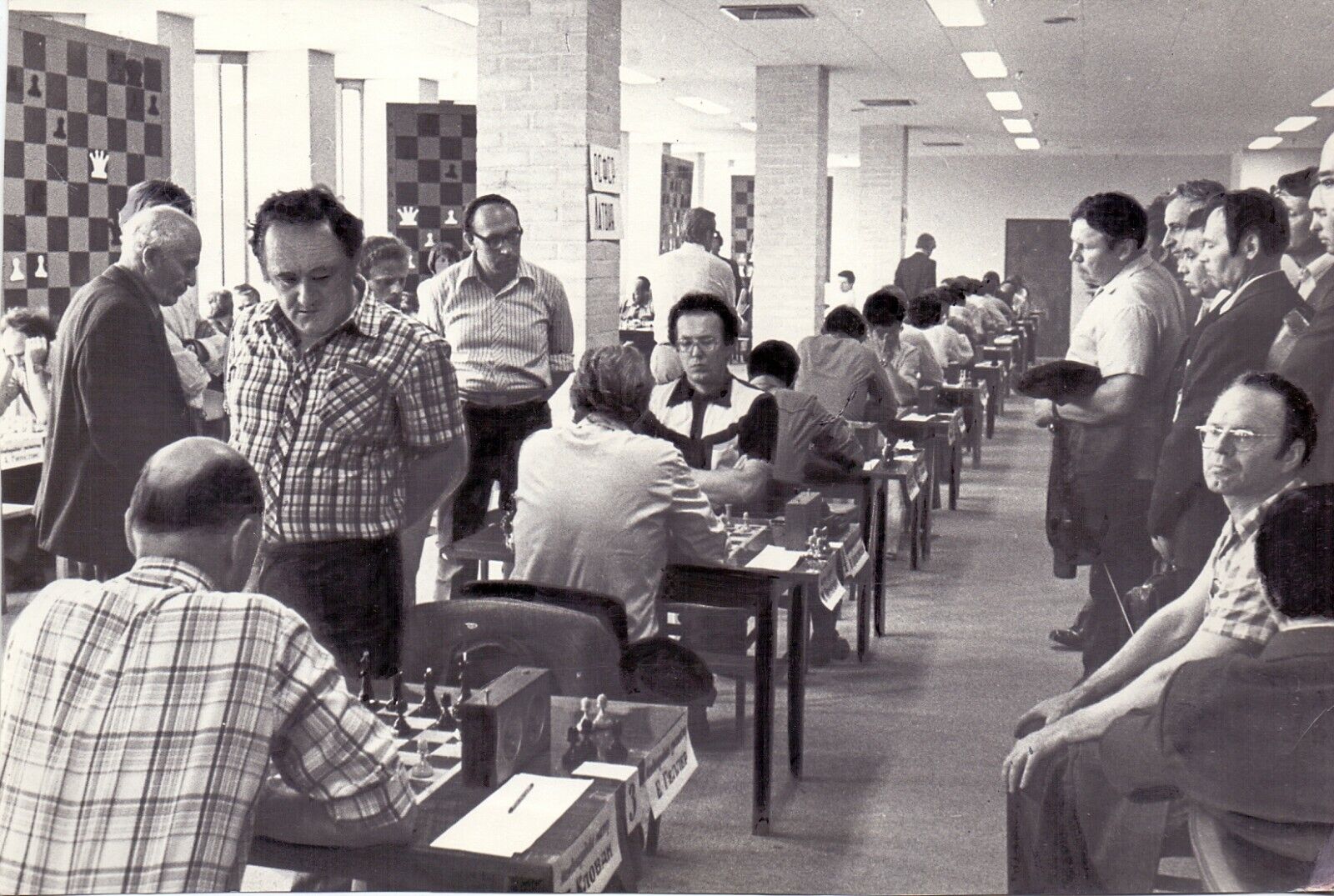
    Soviet Chess Photo: Klovāns, Geller, Dorfman. Photo By V. Kutyrev Dimensions: approx. 14 * 21 cm Арт пк3

  • book

    20.00 $

    RUB

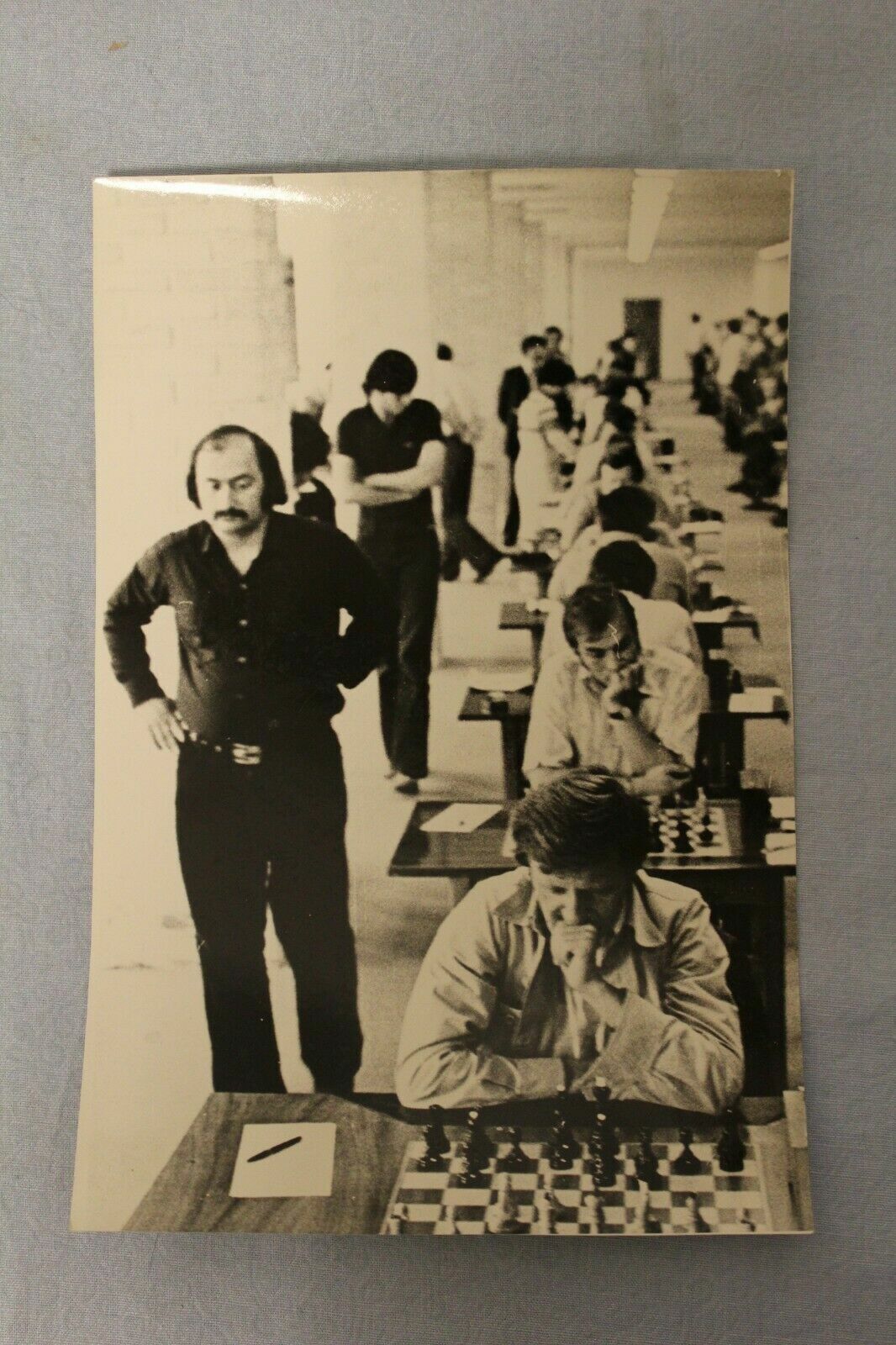
    Size: 18x11.5 cmArt PK5

  • book

    18.00 $

    RUB

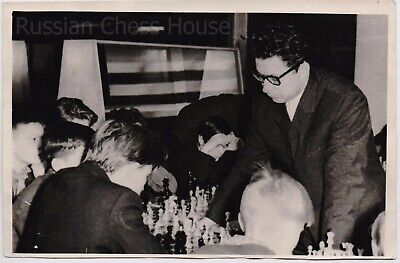
    Soviet Chess Photo:  Vladimir Tukmakov gives a simul. Kirsan Ilyumzhinov, Juan Antonio Samaranch, President of the International Olympic Committee. Dimensions: approx. 10 * 15 cmArt PK7

  • book

    31.00 $

    RUB

    ORIGINAL SOVIET CHESS PHOTO FROM 12TH USSR CHESS CHAMPIONSHIP IN 1940 YEAR.CHESS GRANDMASTER, INTERNATIONAL ARBITER, ICCF GRANDMASTER - IGOR BONDAREVSKY.SIZE OF THE PHOTO - 8 cm x 5,5 cm12TH SOVIET CHESS CHAMPIONSHIPThis is a photograph from the famous 12th Soviet Chess Championship held in the Grand Hall of the Moscow Conservatory from September 4th through October 3rd, 1940. The 12th Soviet Chess Championship was truly a battle of the titans. Outstanding players such as Mikhail Botvinnik, Paul Keres, Vasily Smyslov, Alexander Kotov, Isaac Boleslavsky, Igor Bondarevsky, and Andre Lilienthal took part. This so-called "absolute championship" is rightfully considered one of the strongest USSR chess championships ever held. Here’s an excerpt from Mikhail Botvinnik’s memoirs. "It was a tough tournament. There were many participants and very few off-days. The Grand Hall of the Conservatory has excellent acoustics. The spectators behaved impudently, made a great deal of noise, and clapped all the time. The excellent acoustics only made matters worse. Supposedly, Sergei Prokofiev applauded Keres vigorously after the latter won a game. The other people in his box reprimanded him,, and then the composer remarked, "I have every right to express my feelings." Would my friend Mr. Prokofiev be happy if he were playing a trio and spectators applauding the violinist’s performance drowned out his piano piece? Chess players are in a worse position, though. A pianist can afford to play a few false notes amid booming applause, something a chess player isn’t allowed to do." The results of the 12th Soviet Chess Championship were truly sensational, since two young players, Andre Lilienthal and Igor Bondarevsky, came in first and second, respectively, leaving grandmasters Mikhail Botvinnik and Paul Keres, the tournament favorites, far behind. The unprecedented hype surrounding this tournament matched its historical significance. After all, the unofficial right to contend for the world championship crown, as well as the prestigious title of USSR champion were on the line. "The most difficult and most monumental tournament in which I’ve ever taken part has come to a close," Andre Lilienthal wrote. "I have no reason to be displeased with myself. First off, my win over Botvinnik himself wasn’t too bad. Secondly, I snatched what seemed to be an irrevocably lost point from Bondarevsky in the last round. Thirdly, I managed not to lose a single game. Fourthly, I wound up in the wonderful young company of Bondarevsky and Smyslov at the top of the leaderboard. A decisive match for the title of USSR champion is up next. I have to prepare thoroughly for it, which, first and foremost, means getting some much needed rest." Three months after the tournament was completed, on January 14th, 1991, the Soviet Committee on Physical Culture and Sports issued an order approving the tournament results and awarding Bondarevsky and Lilienthal, the tournament winners, grandmaster titles; however, this order was missing a key point, since it did not mention any sort of match between the two victors. That strange inconsistency came to light a month later when it was decided - through a behind-the-scenes power struggle - that one more tournament for the title of absolute USSR champion would be held, a tournament Mikhail Botvinnik won. Large green folder Chuangy

  • book

    25.00 $

    RUB

    This photo is from the archive of “Chess in the USSR’ journal Size: 22x14.5 cmArt PK5

  • book

    30.00 $

    RUB

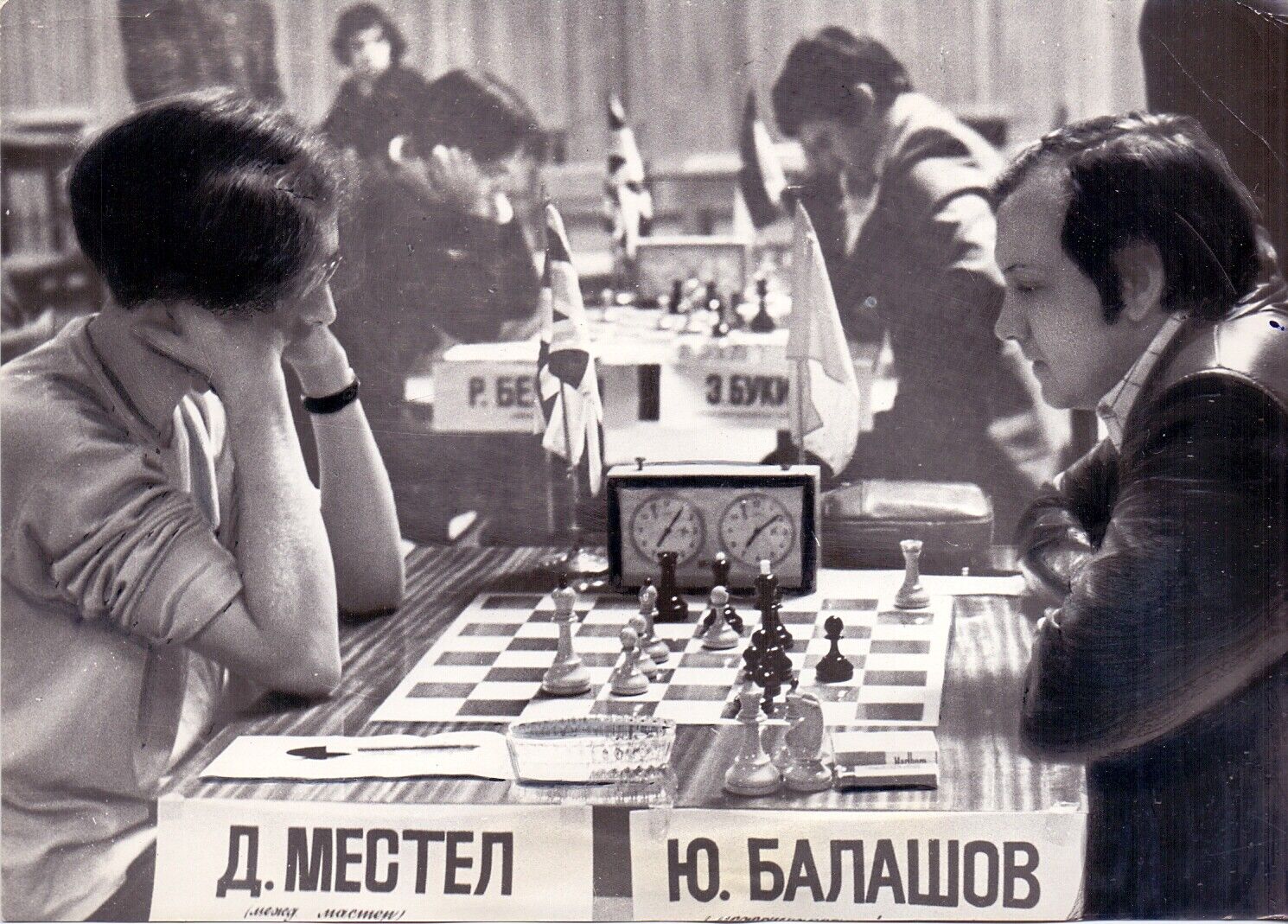
    Soviet Chess Photo: Grandmasters Mestel and Balashov Dimensions: approx. 13,5 * 19 cm Арт пк3

  • book

    30.00 $

    RUB

    Soviet Chess Photo: Grandmaster Vladimir Tukmakov. Photographer: V. Levitin Dimensions: approx. 17 * 12 cm Photo from archive of Alexander Roshal   Alexander Borisovich Roshal (1936 – 2007) was a Soviet chess master and journalist, the co-founder and editor-in-chief of the magazine (chess review) «64» Арт ПК1

  • book

    30.00 $

    RUB

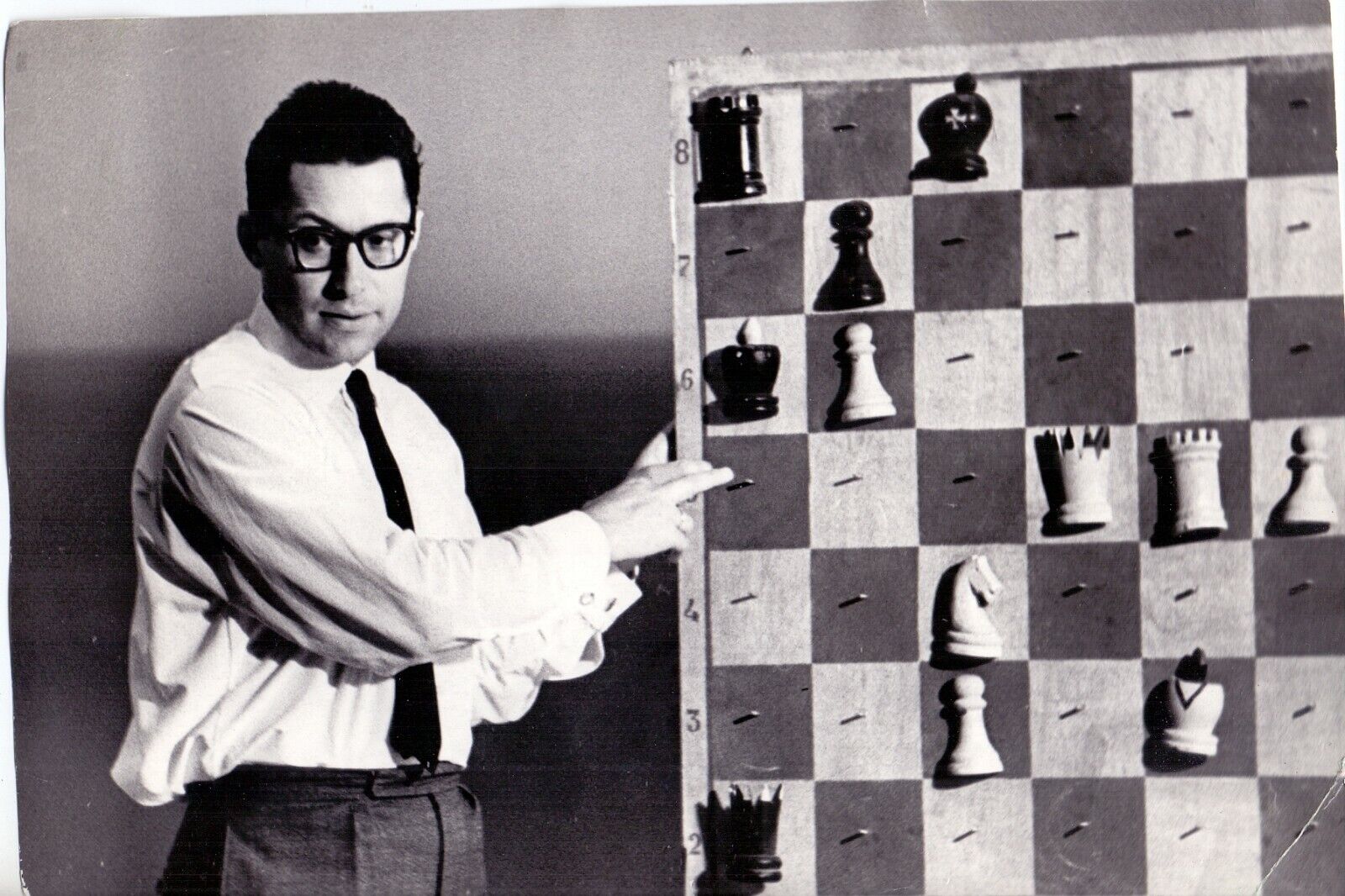
    Soviet Chess Photo: Soviet Chess Photo: Grandmaster Vasyukov analyzes the game. Photo By V. Stepanov   Dimensions: approx. 15 * 22,5 cm Art PK5

  • book

    30.00 $

    RUB

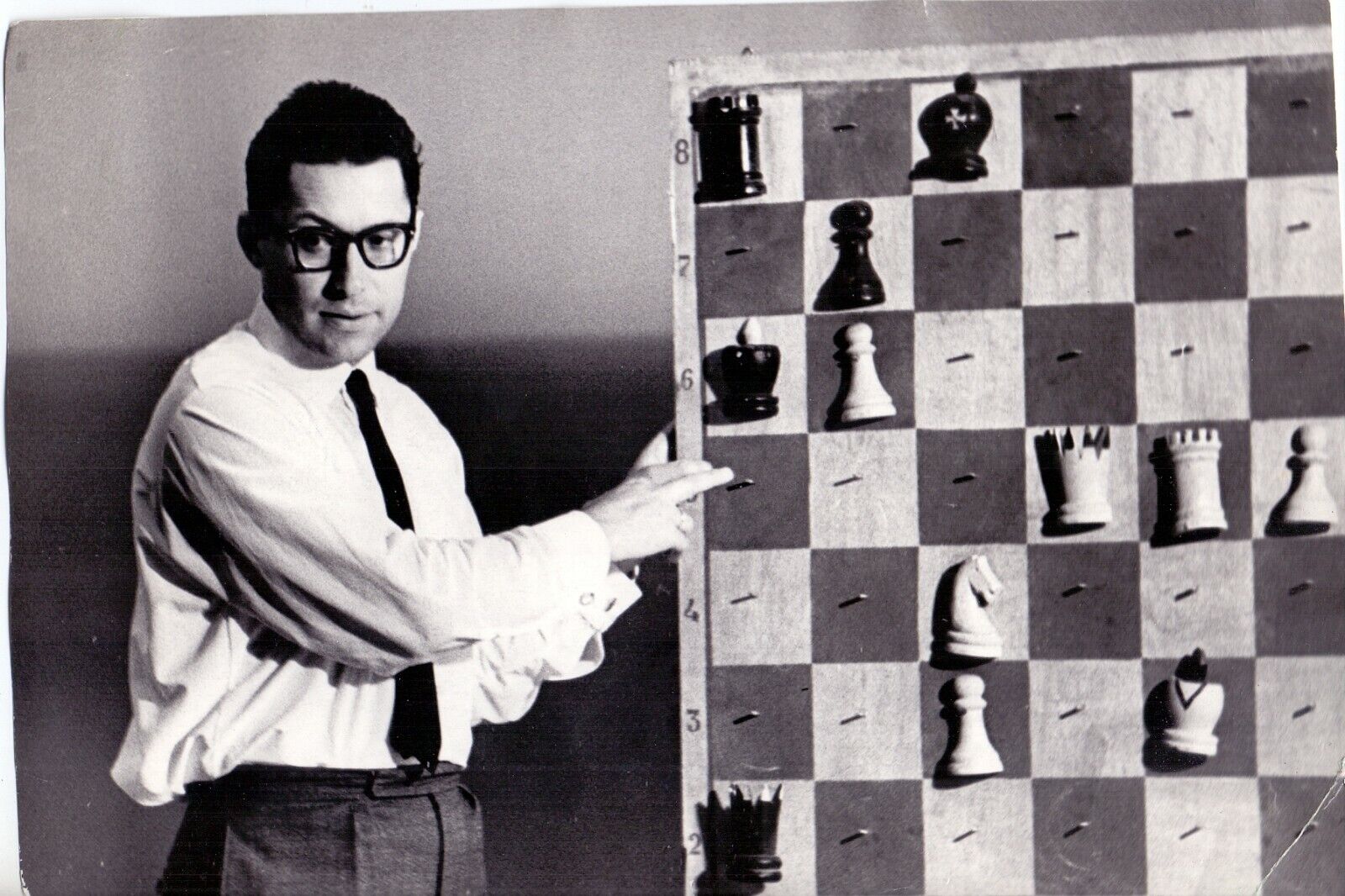
    Soviet Chess Photo: Soviet Chess Photo: Grandmaster Vasyukov analyzes the game. Photo By V. Stepanov   Dimensions: approx. 15 * 22,5 cmArt PK5

  • book

    25.00 $

    RUB

    Soviet Chess Photo: Grandmaster Evgeny Vasyukov Dimensions: approx. 18 * 12 cm Photo from archive of Alexander Roshal Alexander Borisovich Roshal (1936 – 2007) was a Soviet chess master and journalist, the co-founder and editor-in-chief of the magazine (chess review) «64» Арт ПК1