 Русский
  Английский

New In Chess
Книги издательства:
- Сортировка:
- от дорогих
- от дешевых
- новые поступления
- названия
- автор
-
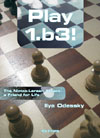
22.61 $
This is one of the White's most logical first moves. By aims at his queen, White aims at undermining the black center. Ilya Odessky & rsquo; s message on this unusual opening book: opening a book with 1.b2-b3 is a lot of fun! It will be a bit like a scooter. It’s clear that it’s up to the line. This system & rsquo; s basic ideas are strategically sound and easy to learn. But it can also offer wild complications for lovers of tactics. Odessky doesn’t fool you into believing that you are It will be better to get your hands on it. You will enjoy playing 1.b3!
-
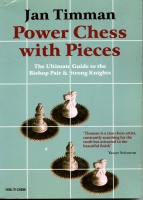 According to an Indian saying that she can drink it. The game wasn’t always like it! In the middle of the game. Jan Timman shows his way through the middle game. After all, if you don’t know how to exploit this advantage? It was clear that he was in the middle of the countless examples of the matchless bishop pair. Knock it out and make it out? And what is the bishop? And how can you put this asset to maximum use? Or, conversely, how can you have been reversed?
 -
-
-
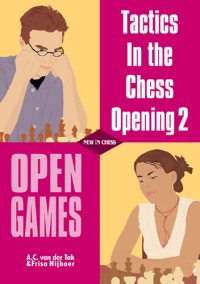
41.46 $
TACTICS, TRICKS AND TRAPS! For casual players and club players. Every chess player loves to win early in the game with a deadly combination or a cunning trap. On the other hand, nobody wants to be tricked by his opponent before the game has really started. The chess opening is a minefield. The popular series Tactics in the Chess Opening teaches casual players and club players how to recognize opportunities to attack early in the game. You will also learn how to avoid standard pitfalls in the opening. This book explains, in more than 230 carefully selected and annotated games, all the tactical themes and typical traps of the main lines in: - the French Defense - the Caro-Kann - the Pirc - the Scandinavian Defense. After studying these brilliant surprise attacks, or just enjoying them, the adventurous chess player will win more games. -
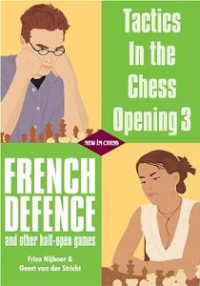
41.46 $
TACTICS, TRICKS AND TRAPS! For casual players and club players. Every chess player loves to win early in the game with a deadly combination or a cunning trap. On the other hand, nobody wants to be tricked by his opponent before the game has really started. The chess opening is a minefield. The popular series Tactics in the Chess Opening teaches casual players and club players how to recognize opportunities to attack early in the game. You will also learn how to avoid standard pitfalls in the opening. This book explains, in more than 230 carefully selected and annotated games, all the tactical themes and typical traps of the main lines in: - the French Defense - the Caro-Kann - the Pirc - the Scandinavian Defense. After studying these brilliant surprise attacks, or just enjoying them, the adventurous chess player will win more games. -
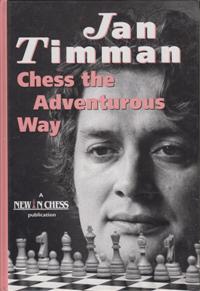 It is not always the games with the best chess that leave behind the strongest memories. On the contrary, sometimes a break in the logical line of thought in a game results in a maze of chaotic complications and is the ingredient which gives the game its distinctive flavour.
 -
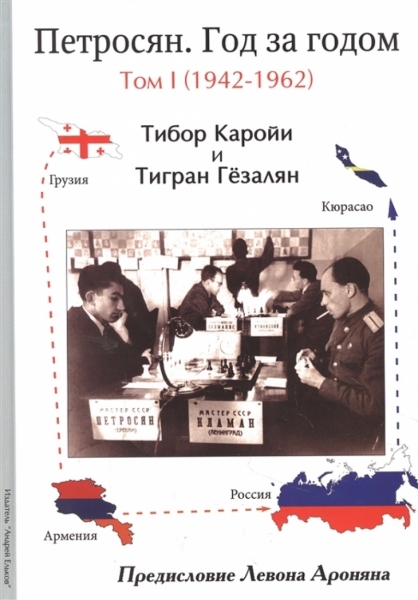
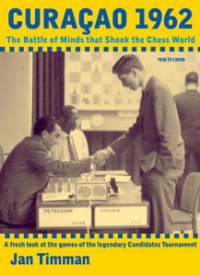 The 1962 Candidates’ Tournament in Curaзao was one of the fiercest chess battles of all time. At the height of the Cold War, eight players contested the right to challenge World Champion Mikhail Botvinnik. The format of the tournament was a gruelling quadruple round-robin. Twenty-eight games were to be played on the tropical island, in a contest that lasted two months. The air trembled with drama and intrigue. One of the favourites, the brilliant Mikhail Tal,was taken to hospital after 21 rounds and had to withdraw. Three other players from the Soviet Union, Keres, Petrosian, and Geller, were making suspiciously short draws when playing each other. The two American players came to blows over the services of the second they were supposed to share. Bella Kortchnoi, whose husband took an early lead in the tournament, was a puppet in the hands of the scheming Rona Petrosian, the wife of the later winner. And one of the favourites was a lanky 19-year-old boy from Brooklyn, Bobby Fischer, who openly accused the Soviets of collusion and was later proven right. In the end, Tigran Petrosian was the winner and went on to become the new World Champion the following year. But such was the impact of Fischer’s accusations that this was the last time such a battle was organised. Henceforth the challenger to the highest crown was determined in a series of matches. Curaзao 1962 was the last Candidates’ Tournament. In Curaзao 1962, Jan Timman returns to this clash of giants and takes a fresh look at the games. Timman describes the course of the tournament and annotates the most important games (including 16 of Fischer’s!) in his usual lucid and instructive style. Curaзao 1962 revives a tradition of great tournament books, such as Alekhine’s New York 1927 and Bronstein’s Zurich 1953.
new items
-
 The life of a chess player in the system. Memories of the grandmaster
Author:
The life of a chess player in the system. Memories of the grandmaster
Author:
Averbah 45.00 $ -
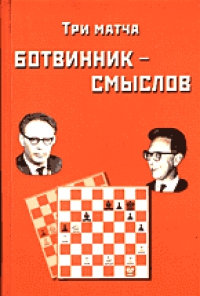 Три матча Ботвинник-Смыслов
Author:
Три матча Ботвинник-Смыслов
Author:
Botvinnik 45.00 $ -
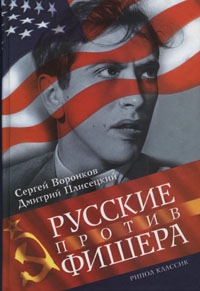 Russians vs Fisher
Author:
Russians vs Fisher
Author:
Voronkov 65.00 $ -
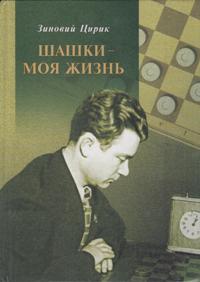 Checkers is my life
Author:
Checkers is my life
Author:
Ciric 87.50 $ -
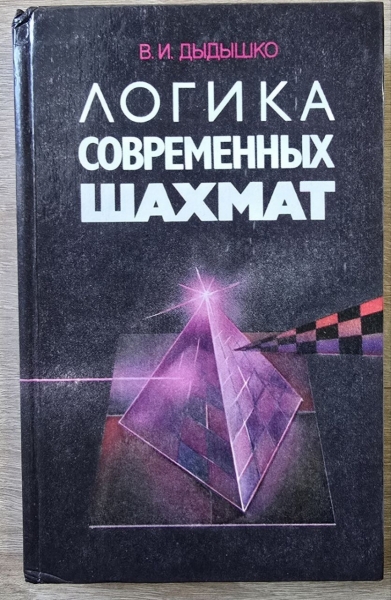 The logic of modern chess
Author:
The logic of modern chess
Author:
Dydyshko 72.50 $ -
 Siegbert Tarrasch. The Queen
Author:
Siegbert Tarrasch. The Queen
Author:
Tarrash 72.50 $ -
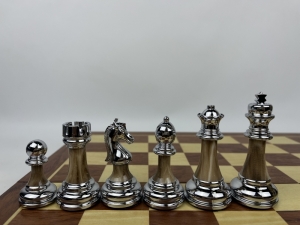 High quality acrylic metal heavy chess pieces with wooden board
202.50 $
High quality acrylic metal heavy chess pieces with wooden board
202.50 $
-
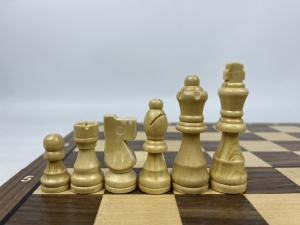 Wooden magnetic Staunton chess with a lock (silver)
56.25 $
Wooden magnetic Staunton chess with a lock (silver)
56.25 $
-
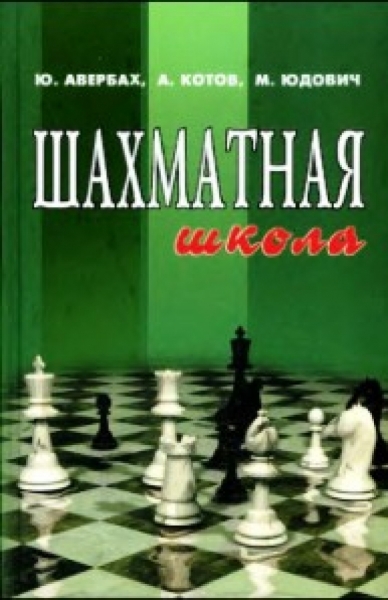 Chess school
Author:
Chess school
Author:
Averbah 15.00 $ -
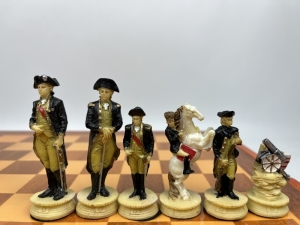 The chess set of The Chessmen. US war - Great Britain
325.00 $
The chess set of The Chessmen. US war - Great Britain
325.00 $