 Русский
 Английский
eBay items
-
50.00 $
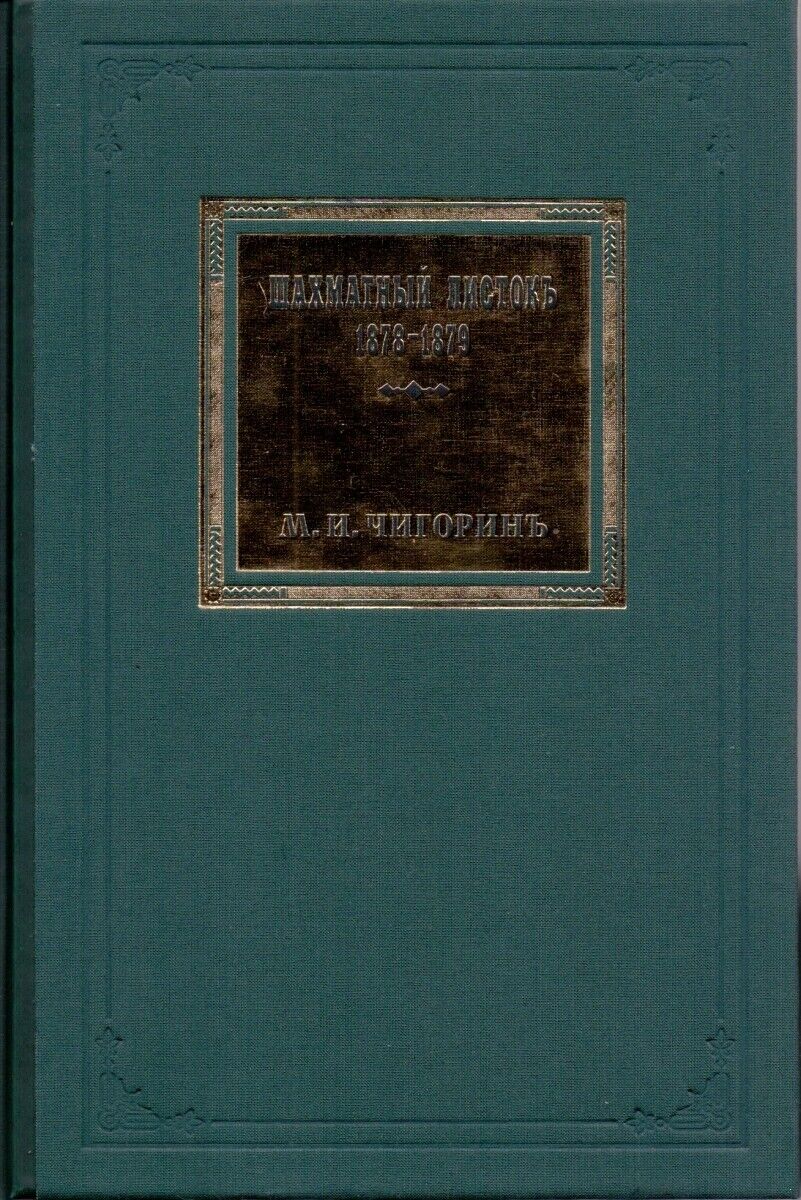
The second volume includes two years: 1878-1879 (was published in 3 volumes)ISBN: 978-5-94693-469-5Publisher: Russian Chess HouseAuthor(s): ChigorinYear of release: 2019Language: RussianFormat: EnlargedPages: 616Cover: Hardcover with gold and blind embossing, book marks , paper antiqueDate: 2019A monthly magazine dedicated to the game of chess and its literature. Published By M. Chigorin 1878-1879. St. Petersburg, Russia. Printing House Of V. O. Demakov.The great Russian chess player, the founder of the national chess school Mikhail Ivanovich Chigorin for ten years published the magnificent magazines "Chess leaf" (1876-1881) and "Chess Bulletin" (1885-1887). He was the main and sometimes the only author there. Needless to say, these most striking examples of Russian chess thought have long been virtually inaccessible to modern readers. Thanks to this work, it is possible to get acquainted with our priceless chess, historical and literary heritage."It is pleasant to note that the luxurious, elite performance of this three - volume edition has no analogues in the world chess literature, "writes multiple world champion Anatoly Karpov in" Word to the reader".The second volume includes two years: 1878-1879.WORD TO THE READER"Chigorin is the founder of the Russian chess school, an outstanding theorist, and a contender for the world crown." How often we had to read and hear these words, which from frequent use were lost, began to seem an empty banality. Meanwhile, Mikhail Ivanovich Chigorin (1850-1908) was really the brightest creative personality. A gambling, exciting person, he spared no effort and time to find the truth of chess, to solve the mysteries of an intricate opening or seemingly simple endgame position. In those early years, universality had not yet become a "vital necessity" in chess, and therefore every major master had a clearly defined individual style, with its own advantages and disadvantages. The Russian champion believed in the dynamic potential of figures, aspired to an open figure game, and willingly sacrificed material for initiative. His powerful opponent, Wilhelm Steinitz, put unshakable positional values above all else: the reliability of the pawn structure, the predominance in the center, the preponderance in space. Chigorin and Steinitz played two matches for the world championship, a lot of tournament and light games, but their fundamental dispute was not only at the chessboard. Polemically sharp, uncompromising discussions of these titans and their followers graced the pages of Newspapers and magazines of those years.Chigorin passionately loved chess, and he was depressed by the lack of public interest in this wise game in our country. He wanted to prove that chess is not an empty sport; it can become a life's work, a real profession. To show chess in the most favorable light and attract the attention of an enlightened public, Chigorin for ten years published, mostly at his own expense, the magazines "Chess leaf" (1876-81) and "Chess Bulletin" (1885-87). He was the main and sometimes the only author there. Needless to say, these most striking examples of Russian chess thought have long since become a bibliographic rarity.The modern reader is spoiled by an abundance of chess literature. However, without the historical aura that envelops the creative essence of the chess player, our inner world would be much poorer. The Russian chess house publishing house performs a real feat, giving everyone the opportunity to get acquainted with our priceless chess, historical and literary heritage. It is pleasant to note that the luxurious, elite performance of this four-volume edition has no analogues in the world chess literature.Anatoly Karpov,multiple world championThe great Russian chess player, the founder of the national chess school Mikhail Ivanovich Chigorin for ten years published the magnificent magazines "Chess leaf" (1876-1881) and "Chess Bulletin" (1885-1887). He was the main and sometimes the only author there. Needless to say, these most striking examples of Russian chess thought have long been virtually inaccessible to modern readers. Thanks to this work, it is possible to get acquainted with our priceless chess, historical and literary heritage.
-
50.00 $
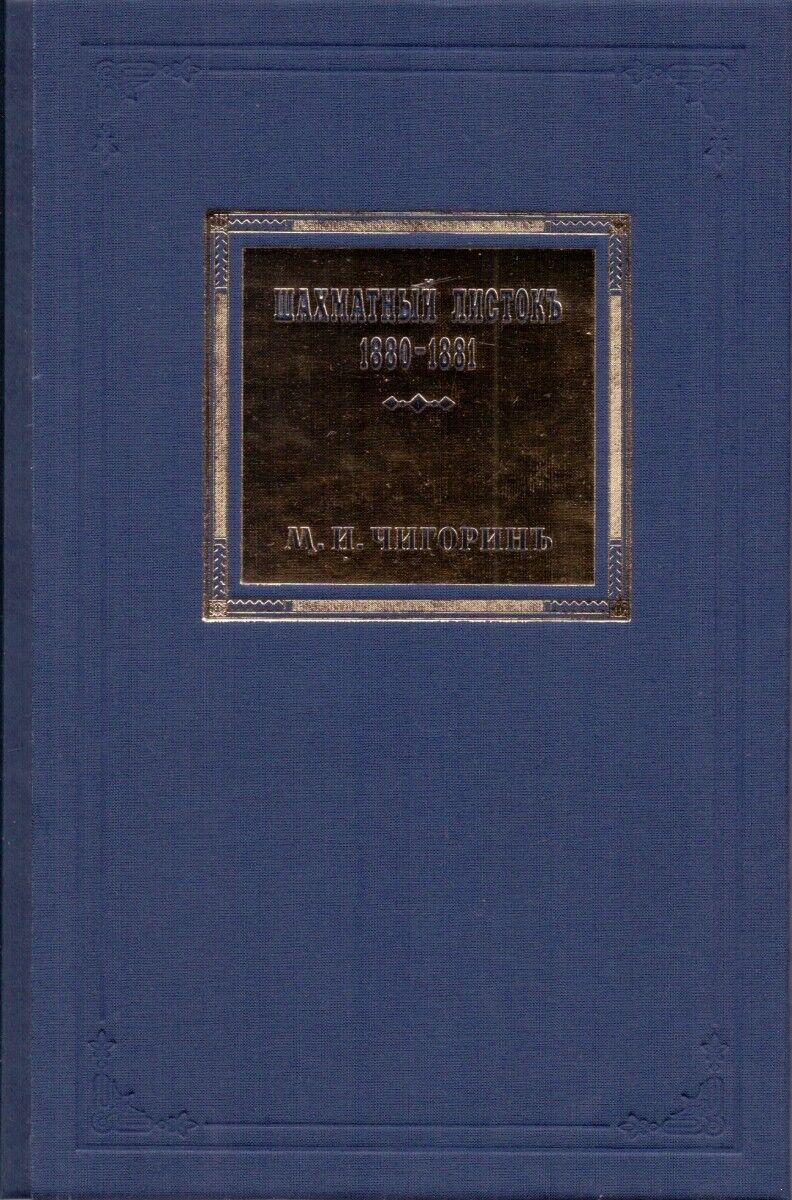
The third volume includes two years: 1880-1881 (was published in 3 volumes)SBN: 978-5-94693-646-0Publisher: Russian Chess HouseAuthor(s): ChigorinYear of release: 2019Language: RussianFormat: EnlargedVolume: 520Cover: Hardcover with gold and blind embossing, book marks , paper antiqueDescription:A monthly magazine dedicated to the game of chess and its literature. Published By M. Chigorin 1880-1881. St. Petersburg, Russia. Printing House Of V. O. Demakov.The great Russian chess player, the founder of the national chess school Mikhail Ivanovich Chigorin for ten years published the magnificent magazines "Chess leaf" (1876-1881) and "Chess Bulletin" (1885-1887). He was the main and sometimes the only author there. Needless to say, these most striking examples of Russian chess thought have long been virtually inaccessible to modern readers. Thanks to this work, it is possible to get acquainted with our priceless chess, historical and literary heritage."It is pleasant to note that the luxurious, elite performance of this three - volume edition has no analogues in the world chess literature, "writes multiple world champion Anatoly Karpov in" Word to the reader".The third volume includes two years: 1880-1881WORD TO THE READER"Chigorin is the founder of the Russian chess school, an outstanding theorist, and a contender for the world crown." How often we had to read and hear these words, which from frequent use were lost, began to seem an empty banality. Meanwhile, Mikhail Ivanovich Chigorin (1850-1908) was really the brightest creative personality. A gambling, fascinating person, he spared no effort and time to find the truth of chess, to solve the mysteries of an intricate opening or seemingly simple endgame position. In those early years, universality had not yet become a "vital necessity" in chess, and therefore every major master had a clearly defined individual style, with its own advantages and disadvantages. The Russian champion believed in the dynamic potential of figures, aspired to an open figure game, and willingly sacrificed material for initiative. His powerful opponent, Wilhelm Steinitz, put unshakable positional values above all else: the reliability of the pawn structure, the predominance in the center, the preponderance in space. Chigorin and Steinitz played two matches for the world championship, a lot of tournament and light games, but their fundamental dispute was not only at the chessboard. Polemically sharp, uncompromising discussions of these titans and their followers graced the pages of Newspapers and magazines of those years.Chigorin passionately loved chess, and he was depressed by the lack of public interest in this wise game in our country. He wanted to prove that chess is not an empty sport; it can become a life's work, a real profession. To show chess in the most favorable light and attract the attention of an enlightened public, Chigorin for ten years published, mostly at his own expense, the magazines "Chess leaf" (1876-81) and "Chess Bulletin" (1885-87). He was the main and sometimes the only author there. Needless to say, these most striking examples of Russian chess thought have long since become a bibliographic rarity.The modern reader is spoiled by an abundance of chess literature. However, without the historical aura that envelops the creative essence of the chess player, our inner world would be much poorer. The Russian chess house publishing house performs a real feat, giving everyone the opportunity to get acquainted with our priceless chess, historical and literary heritage. It is pleasant to note that the luxurious, elite performance of this four-volume edition has no analogues in the world chess literature.Anatoly Karpov,multiple world championThe great Russian chess player, the founder of the national chess school Mikhail Ivanovich Chigorin for ten years published the magnificent magazines "Chess leaf" (1876-1881) and "Chess Bulletin" (1885-1887). He was the main and sometimes the only author there. Needless to say, these most striking examples of Russian chess thought have long been virtually inaccessible to modern readers. Thanks to this work, it is possible to get acquainted with our priceless chess, historical and literary heritage.
-

50.00 $
Complete set of issues of the chess bulletin: “48th Chess Championship of the USSR. Highest League” Vilnius, 1980 12 issues, complete set Арт ек21
-

50.00 $
Language versions: English, Spanish, German, French and Italian versions are available. System Requirements:128 Mb RAM, Hard Disk 1 Gb, Windows 2000/NT/XP/Vista, DVD-ROM.Арт ЕК 9
-

50.00 $
Czech chess magazine «Československy šach». Annual sets 1985 and 1986 Language: Czech Quality lederine binding. Gold embossing. Monthly chess magazine published since June 1906. Published under the auspices of the Czechoslovak Union of physical education in the publishing house "Olympia" (Prague). Editor-M. Filip (since 1974). The circulation is about 12 thousand copies. Covers the current chess life in the Czech Republic and abroad. The first chess magazine in the country "Czech chess sheets" was published in 1896-1899 (had 300 subscribers); the publisher was J. Kotrch (together with K. Traxler and J. Pospisil). In 1900-1902, the magazine "Chess sheets"was published. Since 1906, the Journal of Czech chess players, an organ of the Czech chess organization (since 1919 — as the journal of Czechoslovak chess players), has been published under the modern name since 1927, except for 1939-1945, when it was published under the name "Chess". Арт полка ebay верх
-

Original Documents: Declaration and Articles of Association of Mikhail Botvinniks fund. Signed by Anatoly Karpov. 7.08.1995 art pk5
-

50.00 $
2 volumes of Encyclopedia of Chess Endings. Vol 1- Pans, Vol 2 - rooks (Was published in 5 volumes)The encyclopedia of chess endings is intended for beginners, instructors, tournament participants - for everyone who wants to understand the secrets of chess in the field in which the laws of chess are manifested in the purest form. The first volume is devoted to pawns, the second one to rooks. The encyclopedia contains information in eight languages.Published: Belgrade, 1982, 1985
-

50.00 $
Published by: B. Kagan, C. Bardeleben Binding: Hardcover Language: german Condition: good Size: 14,5 x 22 cm Contents: tactics, strategy, analysis.EK33
-

50.00 $
ISBN: 978-5-946931-96-0Publishing house: Russian Chess HouseAuthor(s): ShallopLanguage: RussianFormat: EnlargedVolume: 360+24c (photo of participants on coated paper)Binding: HardDate: 2013We offer you a collection of games of the most famous and legendary tournament in the history of chess. All the strongest chess players of that time are the world champion Em.Lasker, ex-champion of V.Steinitz, as well as M. Chigorin, Z. Tarrasch, K. Schlechter, D. Yanovsky and many others took part in it. And the victory went to the then little-known chess player Harry Nelson Pillsbury... Comments on the matches belong partly to the participants of the tournament, partly to outstanding Soviet masters and analysts. A luxurious, composite binding. Photos of all participants of the tournament are presented in a separate tab on coated paper. For a wide range of chess fans.ISBN: 978-5-94693-501-2Publishing house: Russian Chess HouseAuthor(s): ZukertortSeries: Great ChessLanguage: RussianFormat: Enlarged formatVolume: 460Binding: HardDate: 2017The book is dedicated to one of the greatest chess players in history, the participant of the first official match for the world championship, Johann Zuckertort. The high point of his brilliant career was a triumph at the largest international tournament in London in 1883, where he took first place, beating the runner-up Wilhelm Steinitz by three(!) points. In the subsequent match for the world championship, Zukertort led with a score of 4: 1, and, according to many experts, only health problems prevented him from becoming the first official world champion in history. The book, in fact, is divided into two parts. The first one consists of the best articles and fragments, the authors of which are mainly people who knew Zukertort well, and gives a full idea of his personality. The second and main part of the book presents the most complete collection of parties to date (more than 300), commented mainly by himself, as well as by his famous rivals – Steinitz, Chigorin, etc. The enduring value of Zuckertort's work is evidenced by the fact that many of his games were later commented on by the fifth world champion Max Euwe. I. Zukertort, a student of the uncrowned world champion A. Andersen, was an adherent of romantic, combination chess. His games will undoubtedly help you improve your skills and enjoy the authentic masterpieces of chess art.ISBN: 978-5-94693-339-1Publishing house: Russian Chess HouseAuthor(s): ChigorinSeries: Great ChessLanguage: RussianFormat: EnlargedVolume: 453Binding: HardDate: 2014A gift edition. The book tells about the life and creative path of the Russian genius Mikhail Chigorin, who is rightfully considered the founder of the Russian chess school. There are about 250 games with comments, first of all by Chigorin himself, as well as such luminaries as V. Steinitz, E. Bogolyubov, Z. Tarrash, G. Levenfish, etc. The biographical part of the book is based on the famous work of Grekov, but the collection of parties has been significantly expanded. Mikhail Ivanovich was far ahead of his time and actually played chess of the XXI century, and his unfading ideas had a huge impact on subsequent generations. After studying this book, you will significantly strengthen your game and significantly replenish the stock of ideas in all stages of the game. For a wide range of chess fans.
-

50.00 $
Author: Eckhart BuddeckeTitle: Grundriss Der BiochemiePublished: Walter de Gruyter, Berlin-New York 1994Language: GermanBinding: Soft backPages: 594
-
-

50.00 $
Size: 21.5x15 cm Арт ПК 2
-
 The life of a chess player in the system. Memories of the grandmaster
Author:
Averbah 45.00 $ -
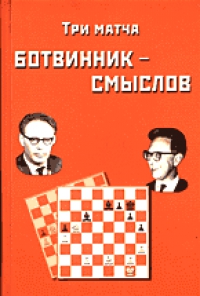 Три матча Ботвинник-Смыслов
Author:
Botvinnik 45.00 $ -
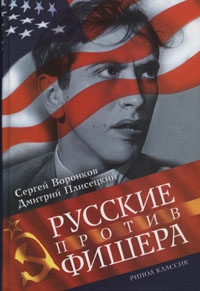 Russians vs Fisher
Author:
Voronkov 65.00 $ -
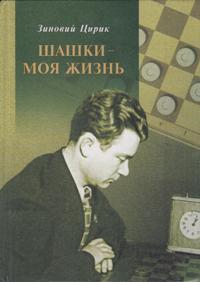 Checkers is my life
Author:
Ciric 87.50 $ -
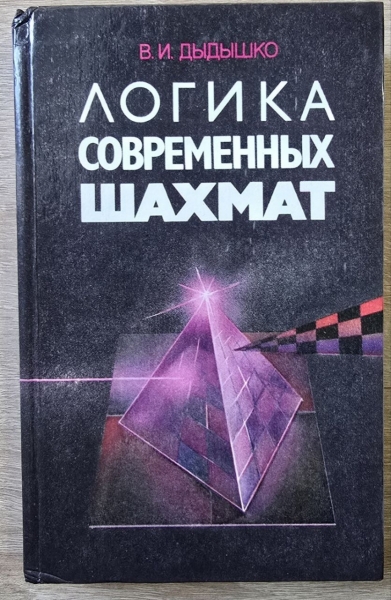 The logic of modern chess
Author:
Dydyshko 72.50 $ -
 Siegbert Tarrasch. The Queen
Author:
Tarrash 72.50 $ -
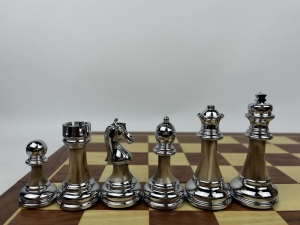 High quality acrylic metal heavy chess pieces with wooden board
202.50 $
-
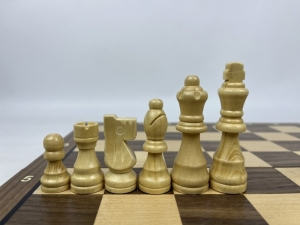 Wooden magnetic Staunton chess with a lock (silver)
56.25 $
-
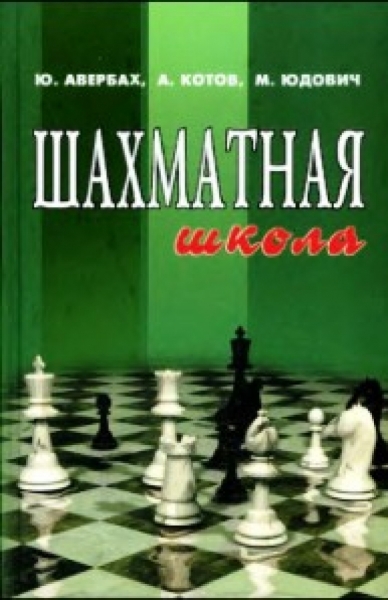 Chess school
Author:
Averbah 15.00 $ -
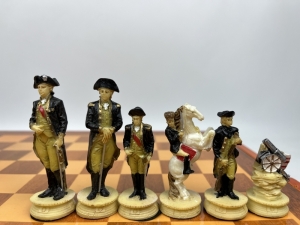 The chess set of The Chessmen. US war - Great Britain
325.00 $