 Русский
  Английский
Chigorin
Книги автора:
-
-
-
35.00 $
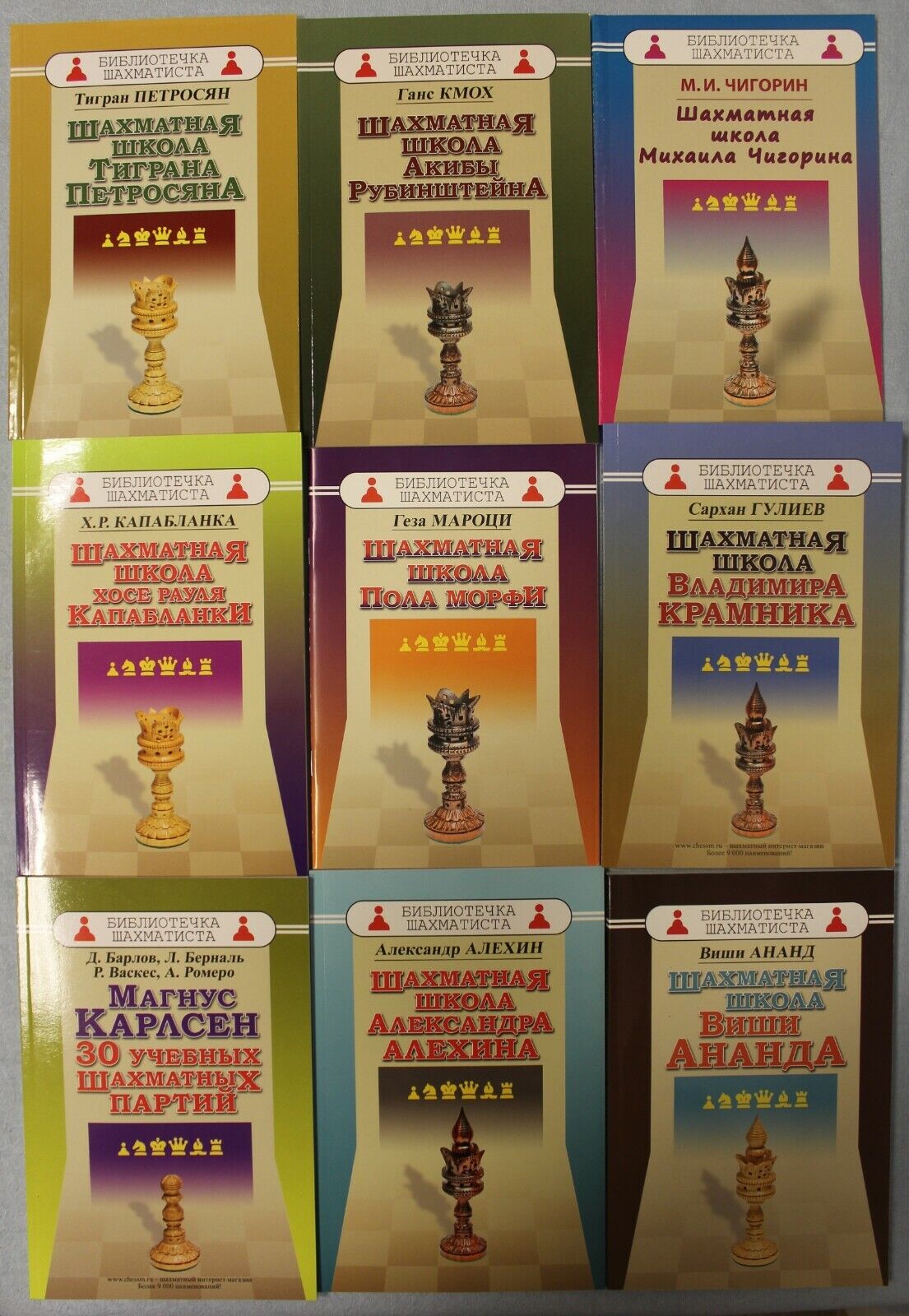
The Set of 9 Books: Chess Player Library SeriesPublisher: Russian Chess House1. Tigran Petrosyan's Chess SchoolAuthor(s): T. PetrosyanYear of issue: 2018Format: NormalPages: 112Binding: SoftThe work of the ninth world champion Tigran Petrosyan is a bright and original page of chess art. Petrosyan's unique style of play was distinguished by strategic depth, subtle understanding of the position and inimitable art of prevention. However, the ninth world champion had an excellent sense of dynamics and sharp combinational vision, as evidenced by the numerous parties-diamonds included in this collection.The works of T. Petrosyan, commented by himself, will be an excellent tool for readers to study the positional game. For educational purposes, the parties are divided into thematic sections, each of which is preceded by a brief introduction.2. Akiba Rubinstein's Chess SchoolAuthor(s): KmochYear of issue: 2018Language: RussianFormat: NormalPages 88Binding: SoftBrilliant Polish grandmaster Akiba Rubinstein made zna-contribution to the development of chess art. Posie principles-tional school V. Stanicek proclaimed and developed in the writings ofZ. Tarrasch, has reached its perfect harmonious embodimentin the work of the "great Akiba".30 batches of Rubinstein, characterized by extreme clarity and La-konechnostey constitute the "essence" of creative achievementsgreat Maestro. They are without a doubt an excellent schoolpositional play and deliver great aesthetic pleasurechess fan.For educational purposes, the material is divided into thematic sections.For a wide range of chess fans.3. Chess school of Mikhail ChigorinAuthor(s): ChigorinLanguage: RussianFormat: NormalPages: 88Binding: SoftYear of issue: 2017The name of M. I. Chigorin is inscribed in the history of chess art in gold letters. The work of the outstanding Russian master, who had a great influence on the next generation of chess players, still amazes with its beauty and richness of ideas. 30 parties Chigorin, we offer the reader, are the "essence" of the creative achievements of the Russian masters. In order to give the material a training orientation, the parties are divided into thematic sections "Attack", "Strategy", "Endgame", "Debut prophecies". The book will be useful to all chess fans, as well as qualified chess players and coaches.4. Jose Raul Capablanca's Chess SchoolAuthor(s): CapablancaLanguage: RussianFormat: NormalPages: 112Binding: Softyear of issue: 2018The creativity of the third world champion Jose Raul Capablanca isone of the brightest pages of chess art.On the technical perfection of the game Cuban genius, his consummate lift-way-togendai intuition and quick thinking were legends. Capab-Lanka has achieved in his work a harmonious combination of deep posture-strategy and combinational skill. Even in the endgamethe technique of "chess machine" was colored "small" com-binations.30 parties Capablanca with his own review, feature-corresponding clarity and brevity, make "kvintes-sentia" creative achievements of the great Maestro. They are, without a doubt,will bring great aesthetic pleasure to chess fans.For educational purposes, the parties are divided into thematic sections, eachof which is prefaced by a brief introduction.5.Paul Morphy's Chess SchoolAuthor(s): MaroqiLanguage: RussianFormat: NormalPages: 48Binding: Softyear of issue: 2017The name of the outstanding American chess player Paul Morphy is covered with legendary fame. Just three years (1857-1859) Morphy acted on the official chess scene, proving his clear superiority over the best masters of the New and Old world and becoming, in fact, "uncrowned" world champion. 30 games of one of the greatest chess geniuses of all time, offered to the reader, are the most vivid productions of Morphy and, without a doubt, will bring great aesthetic pleasure to chess fans. For educational purposes, the parties are divided into thematic sections, each of which is preceded by a brief introduction. According to most experts, classical chess education is unthinkable without studying the work of Morphy, as it is from him that the chess world has learned the correct understanding of the game. His games will be extremely useful and interesting to learn chess - tist of any qualification, from beginner to master.6. Chess School of Vladimir KramnikAuthor(s): GulievLanguage: RussianFormat: NormalPages: 176Binding: SoftYear of issue: 2019The fourteenth world champion Vladimir Kramnik is a bright representative of the classical direction in chess art. In his work harmoniously combines a subtle understanding of the position, impeccable possession of combination weapons and honed endgame technique. 30 games of V. Kramnik, presented in this book and commented on by grandmaster S. Guliyev, will give readers great aesthetic pleasure. For educational purposes, the parties are divided into thematic sections, each of which is preceded by a brief introduction7. Chess School of World Champion Magnus CarlsenAuthor(s): Barlov, Bernal, Vasquez, CoYear of issue: 2018Language: RussianFormat: NormalPages: 472Binding: SoftThe book is devoted to the work of the strongest chess player of our time-nosti, the world champion, the owner of the highest rating MagnusCarlsen.The emphasis is on the educational component. A separate Chapter devoted to-Sena frequently used Norwegian genius this subtle reception,as the "positional pawn sacrifice". Another Chapter analyzes the Evo-Lucius of Carlsen's chess ideas. His elected parties are givenwith detailed comments of grandmasters (more than 100 examples),including discussed matches for the world championship, including the winningthe match of 2016 against Sergey Karyakin.This work, according to the Spanish publishers of this book, is excellentcomplements the work of A. Mikhalchishin and O. Stetsko "60 parties of the leader of the owls-belt chess."For a wide range of chess players.8. Alexander Alekhine's Chess SchoolAuthor(s): AlekhineLanguage: RussianFormat: NormalVolume: 104Binding: SoftYear of issue: 201830 elected parties of Alexander Alexandrovich Alekhine, included-these in this collection are the real gems of chess.creativity, in all its brilliance revealing a bright combination offantasy, fine strategic skills, filigree endgame-ing equipment and consummate art commentary fourthworld champion.Studying the work of the Russian chess genius, you will certainly rise-sit your skills and get great aesthetic pleasure.For educational purposes, the parties are divided into thematic sections, eachof which is prefaced by a brief introduction.9. Vichy Anand's Chess SchoolAuthor(s): AnandYear of issue: 2018Language: RussianPages: 160Binding: SoftFive-time world champion Vishy Anand for the past three decades WMOs-dit is among the strongest players in the world. His initiative,beautiful style of play, as well as impeccable sports quality,we have won the hearts of many chess fans.Thirty parties included in this book will deliver to readers not onlygreat aesthetic pleasure. Special methodological valuepresent the comments of the Indian grandmaster, harmoniouslycombining General reasoning and concrete analysis.For educational purposes, the parties are divided into thematic sections.For a wide range of chess fans. -
46.07 $
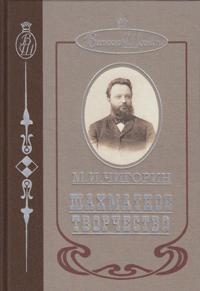
Gift edition. The book tells about the life and creative path of the Russian genius Mikhail Chigorin, who is rightfully considered the founder of the national chess school. There are about 250 parties with comments first of all Chigorin, as well as such coryphaeus as V. Steinitz, E. Bogolyubov, Z. Tarrash, G. Levenfish, and others. The book in the biographical part is based on the famous work of Grekov, but the meeting of parties is considerably replenished. Mikhail Ivanovich was much ahead of his time and actually played in the chess of the XXI century, and his undying ideas had a huge impact on subsequent generations. Having studied this book, you will greatly strengthen your game and substantially replenish the stock of ideas in all stages of the party. For a wide range of chess fans. -

6.20 $
The name of MI Chigorin is written in gold letters in the history of chess art. The work of an outstanding Russian master, who has exerted a tremendous influence on subsequent generations of chess players, is still striking with its beauty and richness of ideas. The 30 Chigorin games offered to the attention of the reader constitute the quintessence & raquo; creative achievements of the Russian master. In order to give the material to the curriculum, the parties are divided into thematic sections: "Attack", "Strategy", "Endgame", "Debut prophecies & raquo ;. The book will be useful to all chess lovers, as well as to qualified chess players and coaches.
-
40.00 $
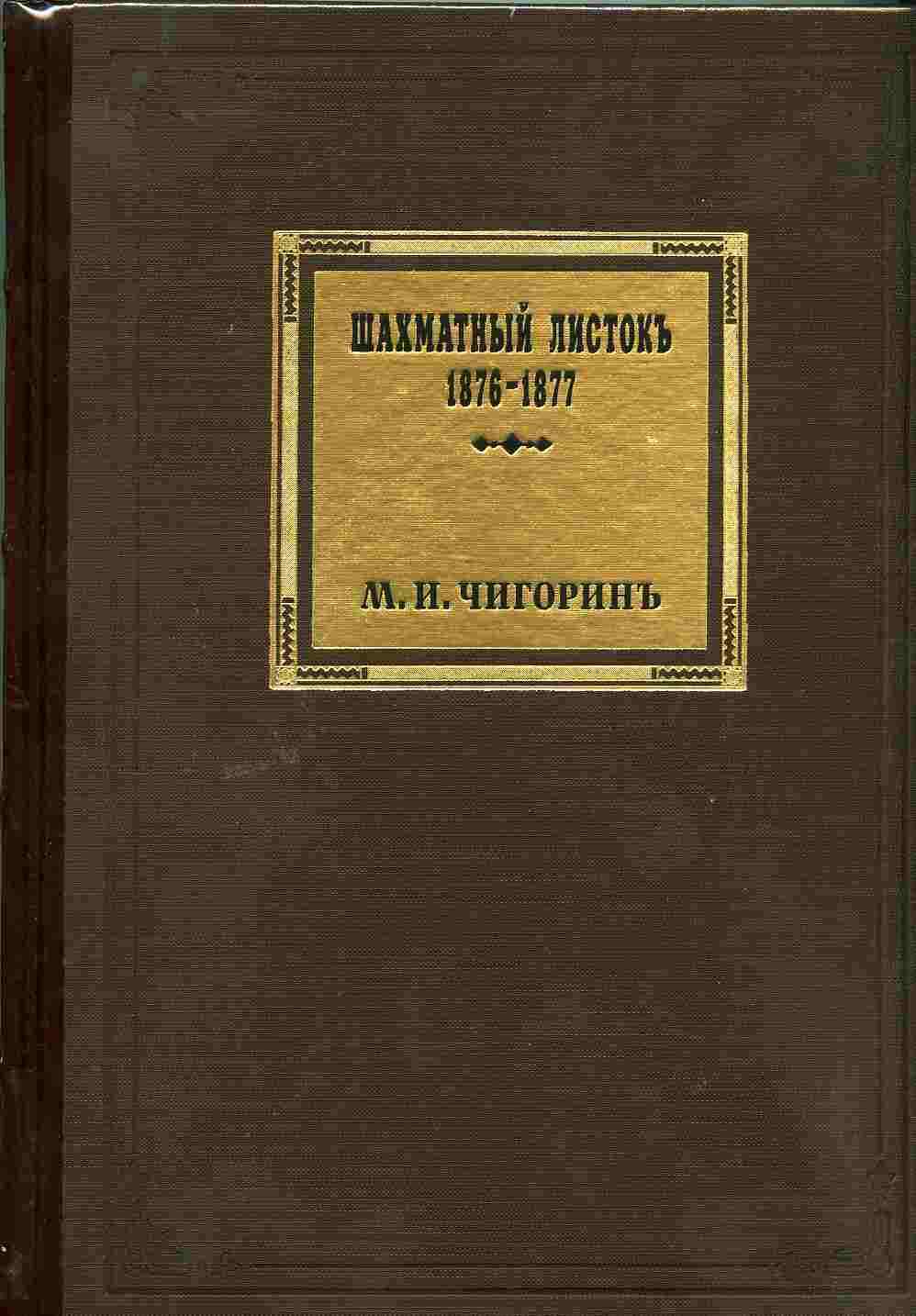
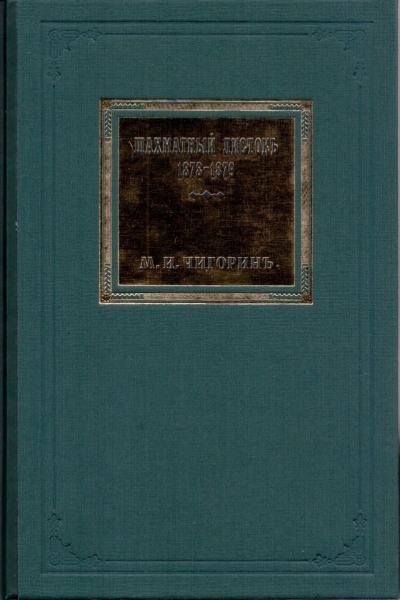
The first volume includes two years: 1876-1877 (was published in 3 volumes)Publisher: Russian Chess HouseAuthor(s): ChigorinFormat: enlarged format552 pages.Cover: Hardcover with gold and blind embossing, book marks , paper antiqueDate: 2010Description:A monthly magazine dedicated to the game of chess and its literature. Published By M. Chigorin 1876-1877. St. Petersburg, Russia. Printing House Of V. O. Demakov.The great Russian chess player, the founder of the Russian chess school Mikhail Ivanovich Chigorin for ten years published the magnificent magazines "Chess leaf" (1876-1881) and "Chess Bulletin" (1885-1887). He was the main and sometimes the only author there. Needless to say, these most striking examples of Russian chess thought have long been virtually inaccessible to modern readers. Thanks to this work, it is possible to get acquainted with our priceless chess, historical and literary heritage."It is pleasant to note that the luxurious, elite performance of this three - volume edition has no analogues in the world chess literature, "writes multiple world champion Anatoly Karpov in" Word to the reader".The first volume includes two years: 1876-1877.WORD TO THE READER"Chigorin is the founder of the Russian chess school, an outstanding theorist, and a contender for the world crown." How often we had to read and hear these words, which from frequent use were lost, began to seem an empty banality. Meanwhile, Mikhail Ivanovich Chigorin (1850-1908) was really the brightest creative personality. A gambling, fascinating person, he spared no effort and time to find the truth of chess, to solve the mysteries of an intricate opening or seemingly simple endgame position. In those early years, universality had not yet become a "vital necessity" in chess, and therefore every major master had a clearly defined individual style, with its own advantages and disadvantages. The Russian champion believed in the dynamic potential of figures, aspired to an open figure game, and willingly sacrificed material for initiative. His powerful opponent, Wilhelm Steinitz, put unshakable positional values above all else: the reliability of the pawn structure, the predominance in the center, the preponderance in space. Chigorin and Steinitz played two matches for the world championship, a lot of tournament and light games, but their fundamental dispute was not only at the chessboard. Polemically sharp, uncompromising discussions of these titans and their followers graced the pages of Newspapers and magazines of those years.Chigorin passionately loved chess, and he was depressed by the lack of public interest in this wise game in our country. He wanted to prove that chess is not an empty sport; it can become a life's work, a real profession. To show chess in the most favorable light and attract the attention of an enlightened public, Chigorin for ten years published, mostly at his own expense, the magazines "Chess leaf" (1876-81) and "Chess Bulletin" (1885-87). He was the main and sometimes the only author there. Needless to say, these most striking examples of Russian chess thought have long since become a bibliographic rarity.The modern reader is spoiled by an abundance of chess literature. However, without the historical aura that envelops the creative essence of the chess player, our inner world would be much poorer. The Russian chess house publishing house performs a real feat, giving everyone the opportunity to get acquainted with our priceless chess, historical and literary heritage. It is pleasant to note that the luxurious, elite performance of this four-volume edition has no analogues in the world chess literature.Anatoly Karpov,multiple world championThe great Russian chess player, the founder of the national chess school Mikhail Ivanovich Chigorin for ten years published the magnificent magazines "Chess leaf" (1876-1881) and "Chess Bulletin" (1885-1887). He was the main and sometimes the only author there. Needless to say, these most striking examples of Russian chess thought have long been virtually inaccessible to modern readers. Thanks to this work, it is possible to get acquainted with our priceless chess, historical and literary heritage. -
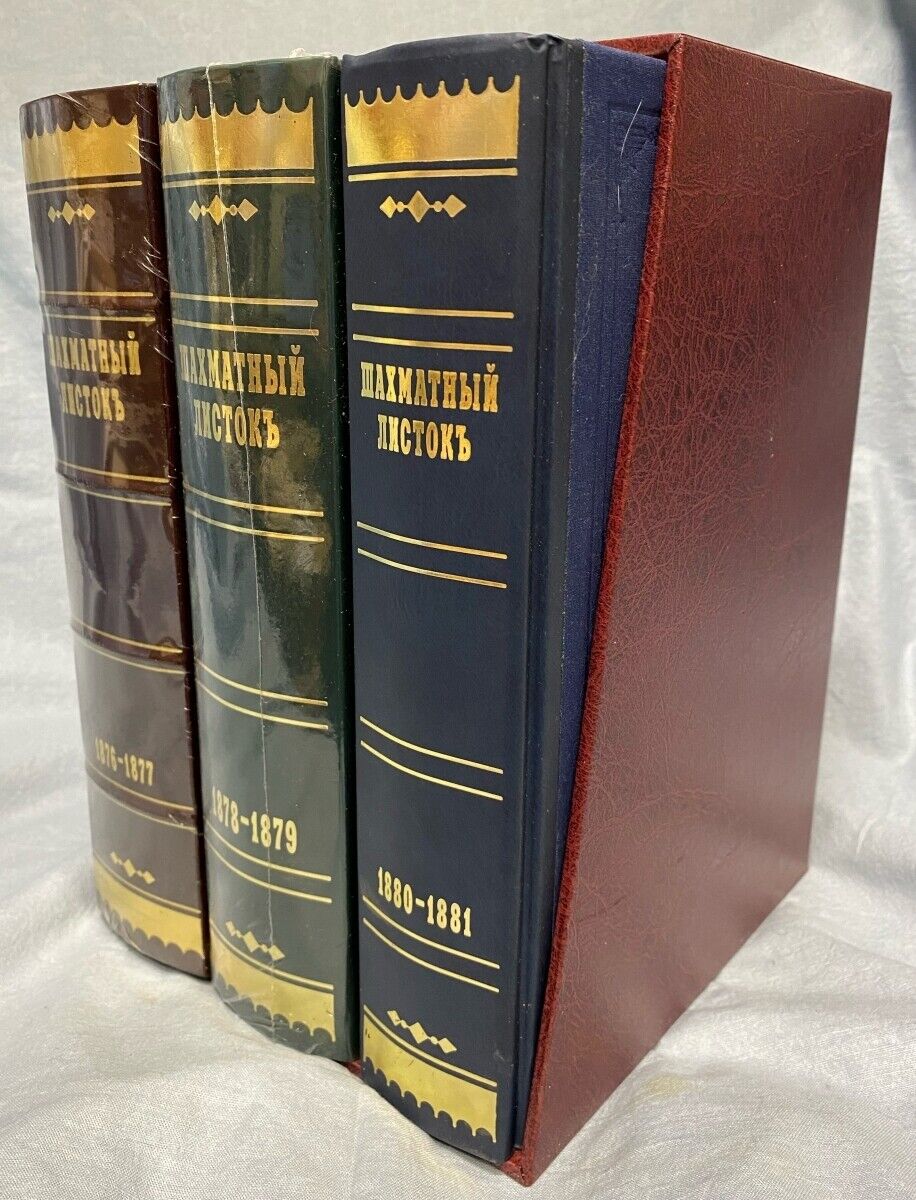
140.00 $
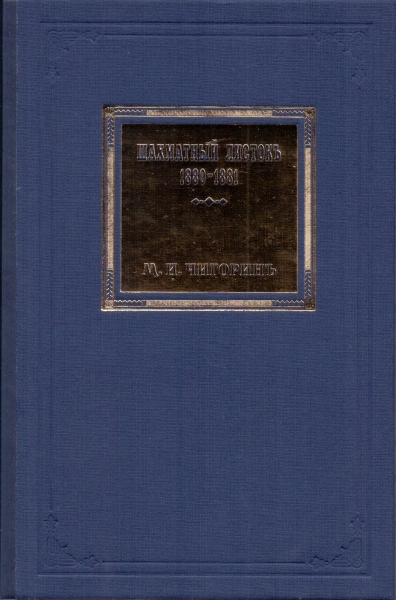
The first volume includes two years: 1876-1877 (was published in 3 volumes)Publisher: Russian Chess HouseAuthor(s): ChigorinFormat: enlarged format552 pages.Cover: Hardcover with gold and blind embossing, book marks , paper antiqueDate: 2010The second volume includes two years: 1878-1879 (was published in 3 volumes)ISBN: 978-5-94693-469-5Publisher: Russian Chess HouseAuthor(s): ChigorinYear of release: 2019Language: RussianFormat: EnlargedPages: 616Cover: Hardcover with gold and blind embossing, book marks , paper antiqueDate: 2019The third volume includes two years: 1880-1881 (was published in 3 volumes)SBN: 978-5-94693-646-0Publisher: Russian Chess HouseAuthor(s): ChigorinYear of release: 2019Language: RussianFormat: EnlargedVolume: 520Cover: Hardcover with gold and blind embossing, book marks , paper antique -
50.00 $
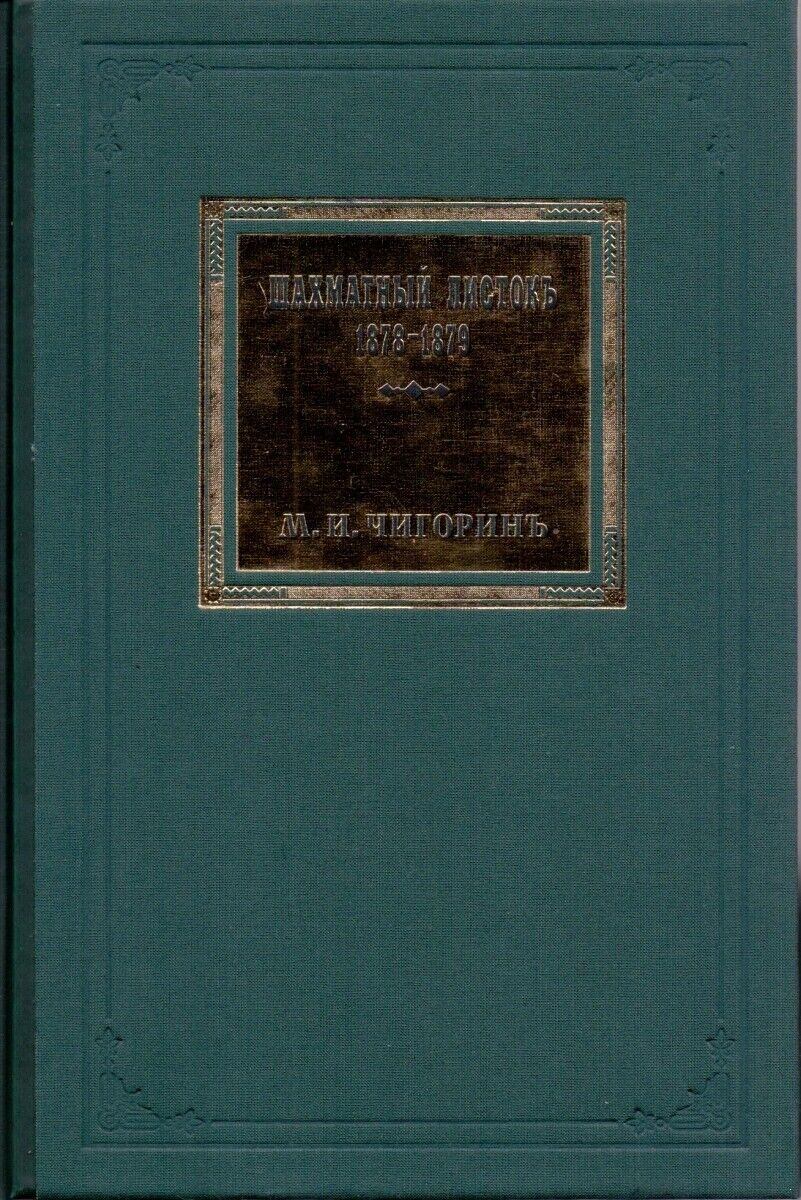
The second volume includes two years: 1878-1879 (was published in 3 volumes)ISBN: 978-5-94693-469-5Publisher: Russian Chess HouseAuthor(s): ChigorinYear of release: 2019Language: RussianFormat: EnlargedPages: 616Cover: Hardcover with gold and blind embossing, book marks , paper antiqueDate: 2019A monthly magazine dedicated to the game of chess and its literature. Published By M. Chigorin 1878-1879. St. Petersburg, Russia. Printing House Of V. O. Demakov.The great Russian chess player, the founder of the national chess school Mikhail Ivanovich Chigorin for ten years published the magnificent magazines "Chess leaf" (1876-1881) and "Chess Bulletin" (1885-1887). He was the main and sometimes the only author there. Needless to say, these most striking examples of Russian chess thought have long been virtually inaccessible to modern readers. Thanks to this work, it is possible to get acquainted with our priceless chess, historical and literary heritage."It is pleasant to note that the luxurious, elite performance of this three - volume edition has no analogues in the world chess literature, "writes multiple world champion Anatoly Karpov in" Word to the reader".The second volume includes two years: 1878-1879.WORD TO THE READER"Chigorin is the founder of the Russian chess school, an outstanding theorist, and a contender for the world crown." How often we had to read and hear these words, which from frequent use were lost, began to seem an empty banality. Meanwhile, Mikhail Ivanovich Chigorin (1850-1908) was really the brightest creative personality. A gambling, exciting person, he spared no effort and time to find the truth of chess, to solve the mysteries of an intricate opening or seemingly simple endgame position. In those early years, universality had not yet become a "vital necessity" in chess, and therefore every major master had a clearly defined individual style, with its own advantages and disadvantages. The Russian champion believed in the dynamic potential of figures, aspired to an open figure game, and willingly sacrificed material for initiative. His powerful opponent, Wilhelm Steinitz, put unshakable positional values above all else: the reliability of the pawn structure, the predominance in the center, the preponderance in space. Chigorin and Steinitz played two matches for the world championship, a lot of tournament and light games, but their fundamental dispute was not only at the chessboard. Polemically sharp, uncompromising discussions of these titans and their followers graced the pages of Newspapers and magazines of those years.Chigorin passionately loved chess, and he was depressed by the lack of public interest in this wise game in our country. He wanted to prove that chess is not an empty sport; it can become a life's work, a real profession. To show chess in the most favorable light and attract the attention of an enlightened public, Chigorin for ten years published, mostly at his own expense, the magazines "Chess leaf" (1876-81) and "Chess Bulletin" (1885-87). He was the main and sometimes the only author there. Needless to say, these most striking examples of Russian chess thought have long since become a bibliographic rarity.The modern reader is spoiled by an abundance of chess literature. However, without the historical aura that envelops the creative essence of the chess player, our inner world would be much poorer. The Russian chess house publishing house performs a real feat, giving everyone the opportunity to get acquainted with our priceless chess, historical and literary heritage. It is pleasant to note that the luxurious, elite performance of this four-volume edition has no analogues in the world chess literature.Anatoly Karpov,multiple world championThe great Russian chess player, the founder of the national chess school Mikhail Ivanovich Chigorin for ten years published the magnificent magazines "Chess leaf" (1876-1881) and "Chess Bulletin" (1885-1887). He was the main and sometimes the only author there. Needless to say, these most striking examples of Russian chess thought have long been virtually inaccessible to modern readers. Thanks to this work, it is possible to get acquainted with our priceless chess, historical and literary heritage.

new items
-
 The life of a chess player in the system. Memories of the grandmaster
Author:
The life of a chess player in the system. Memories of the grandmaster
Author:
Averbah 45.00 $ -
 Три матча Ботвинник-Смыслов
Author:
Три матча Ботвинник-Смыслов
Author:
Botvinnik 45.00 $ -
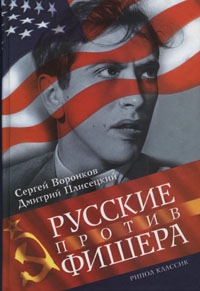 Russians vs Fisher
Author:
Russians vs Fisher
Author:
Voronkov 65.00 $ -
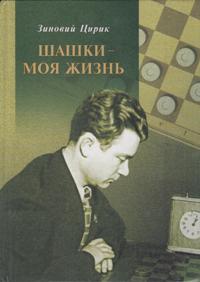 Checkers is my life
Author:
Checkers is my life
Author:
Ciric 87.50 $ -
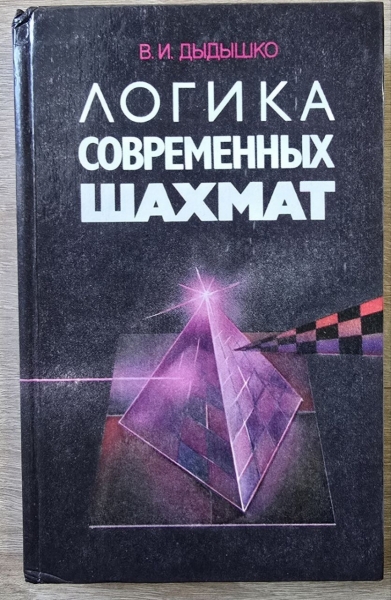 The logic of modern chess
Author:
The logic of modern chess
Author:
Dydyshko 72.50 $ -
 Siegbert Tarrasch. The Queen
Author:
Siegbert Tarrasch. The Queen
Author:
Tarrash 72.50 $ -
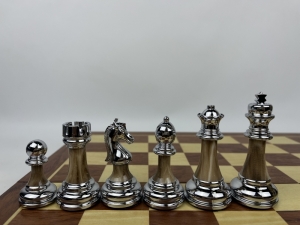 High quality acrylic metal heavy chess pieces with wooden board
202.50 $
High quality acrylic metal heavy chess pieces with wooden board
202.50 $
-
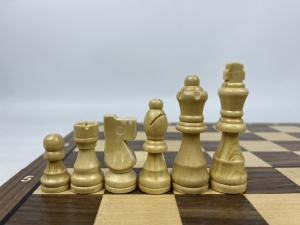 Wooden magnetic Staunton chess with a lock (silver)
56.25 $
Wooden magnetic Staunton chess with a lock (silver)
56.25 $
-
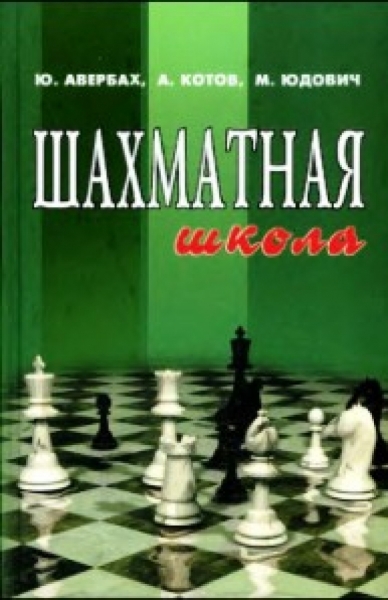 Chess school
Author:
Chess school
Author:
Averbah 15.00 $ -
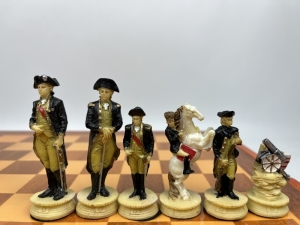 The chess set of The Chessmen. US war - Great Britain
325.00 $
The chess set of The Chessmen. US war - Great Britain
325.00 $