 Русский
  Английский
Cadogan chess
Книги издательства:
- Сортировка:
- от дорогих
- от дешевых
- новые поступления
- названия
- автор
-
In this entertaining game of the Chess Puzzle Book, it has been noted that it has been the best choice.
-
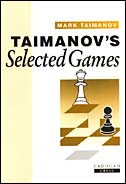
34.55 $
Grandmaster Mark Taimanov is one of the most consistently successful players of the post-war era. A grandmaster since 1952, he twice qualified as a Candidate for the World Championship and his numerous tournament victories include the Soviet Championship in 1956 and the World Veterans' Championship in 1993. Taimanov has made many significant contributions to opening theory and is the author of numerous openings books. In this highly instructive book, translated by Ken Neat, Taimanov presents an annotated selection of the best games from his long and illustrious career. This title contains 60 deeply annotated games and reveals Taimanov's personal approach to chess. The games are grouped by strategical motif to maximize instructional value. -
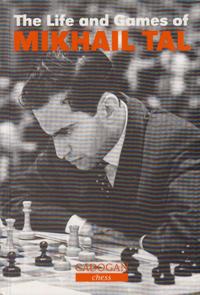 Mikhail Tal, the "magician from Riga", was the greatest attacking World Champion of them all, and this enchanting autobiography chronicles his extraordinary career with charm and humor. Dazzling games are interspersed throughout with anecdotes and witty self-interviews, and in typically objective fashion he related both the downs and ups of his encounters. An inveterate smoker and drinker, Tal`s life on the circuit was punctuated by bouts in the hospital with kidney problems, but nothing could dull his love for chess and his sheer genius on the chessboard. His illustrious tournament record, up to his death in 1992, is included here in full, along with 100 complete games and nearly as many positions. Tal`s annotations in this book are a world apart from ordinary games collections. No reader could fail to be swept along by his passion and vitality as he sets the scene for an encounter and then recounts every psychological twist and turn.
 -
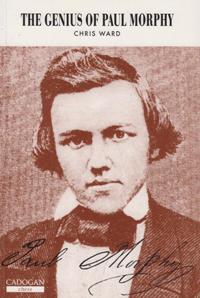 The brilliant American chess master Paul Morphy (1837-84) had a dazzling gift for attacking play that is admired to the present day. In this book, Chris Ward undertakes a fascinating examination of Morphy's games and style of play, providing a revealing insight into how Morphy was able to dominate his contemporaries. The recent return in popularity of the swashbuckling Evans Gambit, one of the daring opening variations associated with Morphy, shows there are many modern-day lessons to be learned from the chess visionaries of the past.
new items
-
 The life of a chess player in the system. Memories of the grandmaster
Author:
The life of a chess player in the system. Memories of the grandmaster
Author:
Averbah 45.00 $ -
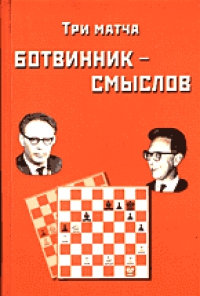 Три матча Ботвинник-Смыслов
Author:
Три матча Ботвинник-Смыслов
Author:
Botvinnik 45.00 $ -
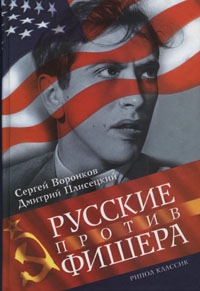 Russians vs Fisher
Author:
Russians vs Fisher
Author:
Voronkov 65.00 $ -
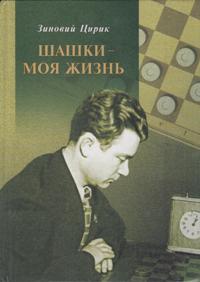 Checkers is my life
Author:
Checkers is my life
Author:
Ciric 87.50 $ -
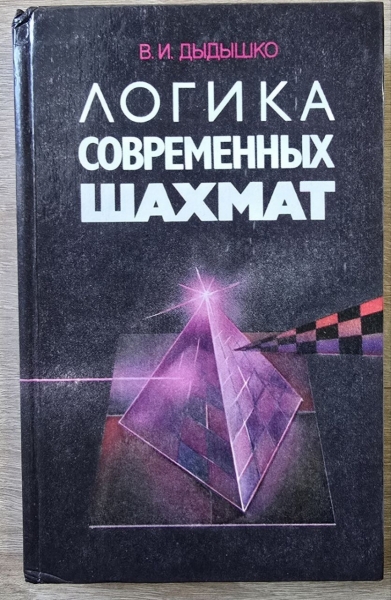 The logic of modern chess
Author:
The logic of modern chess
Author:
Dydyshko 72.50 $ -
 Siegbert Tarrasch. The Queen
Author:
Siegbert Tarrasch. The Queen
Author:
Tarrash 72.50 $ -
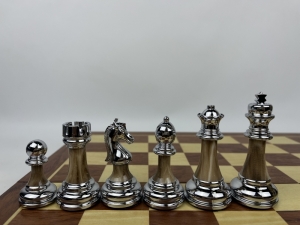 High quality acrylic metal heavy chess pieces with wooden board
202.50 $
High quality acrylic metal heavy chess pieces with wooden board
202.50 $
-
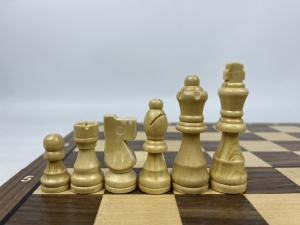 Wooden magnetic Staunton chess with a lock (silver)
56.25 $
Wooden magnetic Staunton chess with a lock (silver)
56.25 $
-
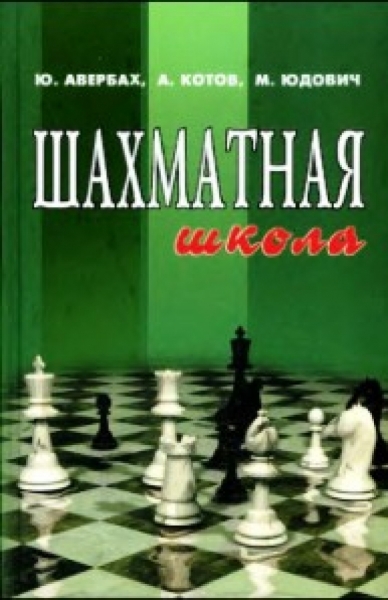 Chess school
Author:
Chess school
Author:
Averbah 15.00 $ -
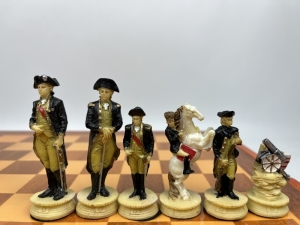 The chess set of The Chessmen. US war - Great Britain
325.00 $
The chess set of The Chessmen. US war - Great Britain
325.00 $